
Tampala
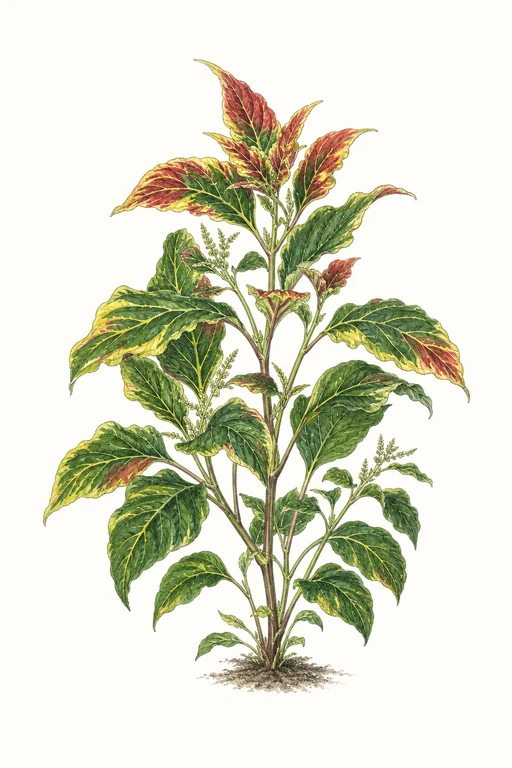
Tender, vividly colored callaloo leaves unfurl with a lush, velvety sheen—deep green blades washed through with warm golden and crimson highlights.
Tampala’s foliage is pleasantly succulent and quick to establish, delivering a steady harvest of flavorful greens suited to steaming, sautéing, and silky sauces, as well as pickling for a bright, tangy bite. Grow it for a fast, warm-season rhythm: at about 40 days, the plant is ready to reward your garden with a striking, garden-to-table abundance.
Light: Full SunMaturity: 40 DaysHabit: Upright
Planting schedules and alerts are optimized for Columbus (Zone 6b).
Crop Dates
| Milestone | Date |
|---|---|
| Start Indoors | Apr 4th |
| Last Frost | Apr 25th |
| Transplant / Sow Outdoors | Apr 25th |
| Harvest Begins | Jun 4th |
| Harvest Ends | Oct 16th |
Crop Details
| Trait | Value |
|---|---|
| Days to Maturity | 40 |
| Sun Requirements | Full Sun |
| Growth Habit | Upright |
| Support Needed | None |
| Planting Depth | Normal |
| Germination Temp (°F) | 75 |
| Min Soil Temp (°F) | 60 |
| Min Night Temp (°F) | 50 |
| Harden Off (days) | 5 |
Culinary Notes

Chef's Note
Tampala callaloo cooks down fast, turning lush and almost velvety—keep heat medium and move quickly so the leaves stay green and juicy, not dull. The leaf’s warm peppery edge loves creamy coconut and a hit of lime to sharpen the finish.

Best Uses
- steam and dress like pot greens, keeping the leaves glossy
- sauté quickly in oil with garlic-free aromatics so it stays tender
- blend into silky callaloo-style sauces and reduce until spoon-coating
- pick up the tang: quick pickling for bright, snappy greens

Flavor Profile

Kitchen Pairings
Frequently Asked Questions
How do I manage downy mildew or leaf spotting on Amaranthus tricolor (tampala)?
How often should I water tampala during its main growing phase, and what soil moisture level does it need?
When is Amaranthus tricolor ready to harvest, and how can I tell?
Sowing Tips

Transplant Conditions
Wait until soil reaches 60°F and nights stay above 50°F before moving outdoors. Harden off for 5 days first.
Expert Note

Because Tampala (leaf amaranth) is best direct-sown and grows fast, sow after frost when soil is warm and keep evenly moist for tender leaves.