
Tartary Buckwheat
Aromatic, nutty, and boldly earthy, Tartary Buckwheat forms a dense tapestry of flavor that feels warm and toasted even before it’s ground.
The grain develops with a firm, slightly crisp texture and a distinctive, full-bodied character—ideal for creating hearty buckwheat groats and for rich, savory blends where depth matters most. Grow it for a vigorous 90-day season and enjoy the satisfying sense of harvest from a crop that thrives with purpose in the garden.
Light: Full SunMaturity: 90 DaysHabit: Upright
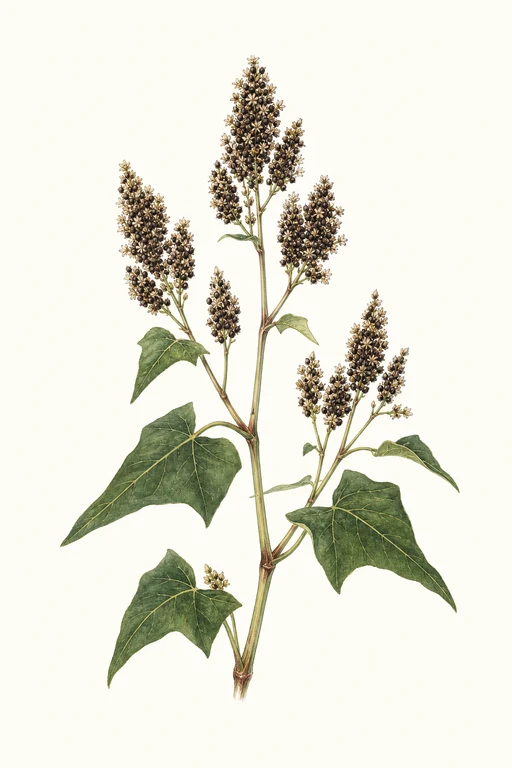
Planting schedules and alerts are optimized for Columbus (Zone 6b).
Crop Dates
| Milestone | Date |
|---|---|
| Start Indoors | Direct Sow |
| Last Frost | Apr 25th |
| Transplant / Sow Outdoors | Apr 25th |
| Harvest Begins | Jul 24th |
| Harvest Ends | Oct 16th |
Crop Details
| Trait | Value |
|---|---|
| Days to Maturity | 90 |
| Sun Requirements | Full Sun |
| Growth Habit | Upright |
| Support Needed | None |
| Planting Depth | Normal |
| Germination Temp (°F) | 70 |
| Min Soil Temp (°F) | 45 |
| Min Night Temp (°F) | 28 |
| Harden Off (days) | Not Required |
Culinary Notes

Chef's Note
Tartary buckwheat reads warmly toasted and relentlessly earthy, so it’s happiest where the dish can stand on its own grain character. Cook it for a firm, chewy center—then let fats (brown butter, pork fat) and umami (mushrooms) carry that aroma without flattening it.

Best Uses
- buckwheat groats simmered until tender with a gentle crackle
- hearty hot cereal with butter or cream and salt
- savory ground buckwheat blends (pancakes, dumplings, or patties) where the grain needs backbone
- toasted buckwheat flour for dark, aromatic batters

Flavor Profile

Kitchen Pairings
Frequently Asked Questions
What are the most common pests or diseases on Fagopyrum tataricum (Tartary buckwheat), and how can I manage them?
How often should I water Tartary buckwheat during its main growing phase?
How do I tell when Tartary buckwheat is ready to harvest?
Sowing Tips

Transplant Conditions
Wait until soil reaches 45°F and nights stay above 28°F before moving outdoors.
Expert Note

Sow Tartary buckwheat directly in cool spring soil; it grows fast and is excellent for short-season cover/catch-crop use where you can harvest seed or biomass before frost.