
Tennessee Sweet Potato
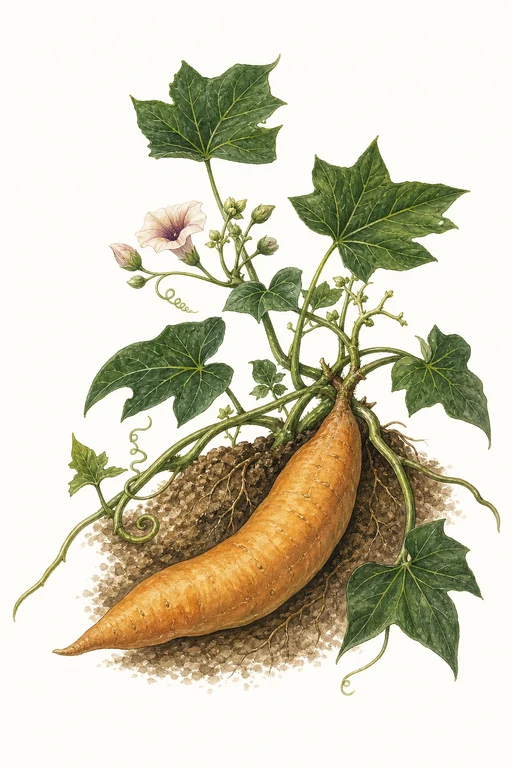
Warm, honeyed sweetness with a softly nutty finish—Tennessee Sweet Potato Cushaw Squash ripens to a long, elegant fruit that feels dense and velvety in the hand.
The flesh turns a rich, sunset-orange with a fine, creamy texture that shines when roasted, pureed for smooth sauces, or simmered into comforting preserves. Grow it for its statuesque presence in the garden and its dependable, late-season harvest at about 95 days.
Light: Full SunMaturity: 95 DaysHabit: Vine
Planting schedules and alerts are optimized for Columbus (Zone 6b).
Crop Dates
| Milestone | Date |
|---|---|
| Start Indoors | Direct Sow |
| Last Frost | Apr 25th |
| Transplant / Sow Outdoors | May 16th |
| Harvest Begins | Aug 19th |
| Harvest Ends | Oct 16th |
Crop Details
| Trait | Value |
|---|---|
| Days to Maturity | 95 |
| Sun Requirements | Full Sun |
| Growth Habit | Vine |
| Support Needed | Trellis |
| Planting Depth | Normal |
| Germination Temp (°F) | 70 |
| Min Soil Temp (°F) | 65 |
| Min Night Temp (°F) | 55 |
| Harden Off (days) | 10 |
Culinary Notes

Chef's Note
This cushaw leans sweet and creamy—when you roast it hot, you get that caramel-sweet edge without turning stringy. Its velvety flesh behaves like a hybrid of sweet potato and winter squash, making it especially good for purées, custard pies, and thick spoonable sauces.

Best Uses
- roasted wedges or cubes until the edges go bronzed and creamy
- silky purées for soup, risotto-style texture, or mashed side dishes
- butternut-style simmering into thick stews with browned aromatics
- custardy pie filling or preserve-style spoonable jammy filling

Flavor Profile

Frequently Asked Questions
What pest or disease problem is most common on Cucurbita argyrosperma, and how do I manage it?
How often should I water Tennessee “Sweet Potato” vines during the main growing phase (fruit/seedling establishment through bulking)?
How can I tell when Cucurbita argyrosperma is ready to harvest?
Sowing Tips

Transplant Conditions
Wait until soil reaches 65°F and nights stay above 55°F before moving outdoors. Harden off for 10 days first.

Direct Sow Preferred
Sensitive roots — does not transplant well. If starting indoors, use biodegradable pots and disturb roots as little as possible when moving outdoors.
Expert Note

Warm both the soil and the trellis setup before planting; cucurbits grow best when nights stay consistently warm and the soil is kept evenly moist early on.