
Texas Early Grano 502 PRR
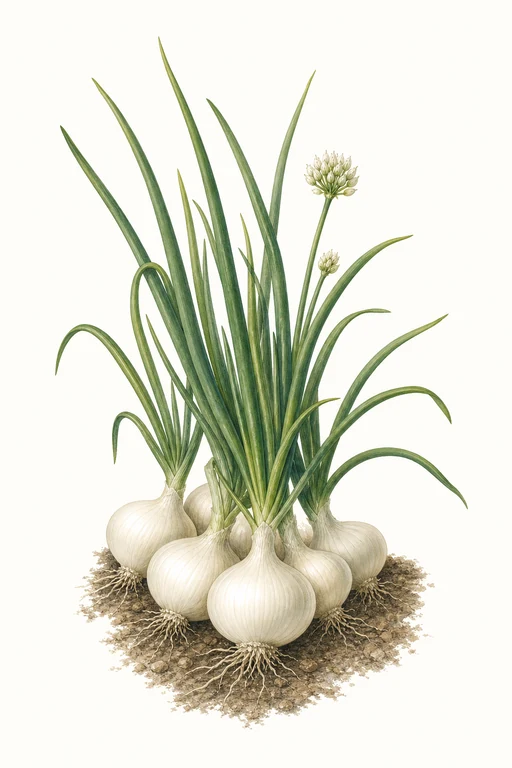
Sweetly aromatic from the first harvest, Texas Early Grano 502 PRR forms crisp, white bulbs with a clean, bright skin that looks freshly polished in the garden.
The flesh is tender and juicy, delivering a mild, balanced bite that shines in fresh preparations and gentle cooking, while also holding its shape beautifully for roasting and skillet browning. Grow this early white onion for reliable, uniform bulbs—an excellent choice when you want flavor that arrives on schedule and stays versatile from garden to pantry.
Light: Full SunMaturity: 90 DaysHabit: Bulbing
Crop Dates : 7b
| Milestone | Date |
|---|---|
| Start Indoors | Direct Sow |
| Last Frost | Apr 10th |
| Transplant / Sow Outdoors | Apr 10th |
| Harvest Begins | Jul 9th |
| Harvest Ends | Oct 28th |
Crop Details
| Trait | Value |
|---|---|
| Days to Maturity | 90 |
| Sun Requirements | Full Sun |
| Growth Habit | Bulbing |
| Support Needed | None |
| Planting Depth | Normal |
| Germination Temp (°F) | 70 |
| Min Soil Temp (°F) | 45 |
| Min Night Temp (°F) | 32 |
| Harden Off (days) | Not Required |
Culinary Notes

Chef's Note
Early white onions like this one bring a gentle sweetness and a crisp, watery bite that stays lively in raw uses—no need to hide it under heavy sauces. When cooked lightly, it browns fast but keeps its structure, so it’s ideal for skillet work and roasting where you want flavor and texture to arrive together.

Best Uses
- thin raw slices for crunch in salads and herb-forward salsas
- quick skillet browning where it turns sweet without going harsh
- roasting whole or in thick wedges for caramelized edges and tender centers
- lightly cooked applications like omelets and sandwiches where it stays juicy

Flavor Profile

Kitchen Pairings
Frequently Asked Questions
What’s the most common disease problem in Allium cepa (onions) in home gardens, and how do I manage it?
How often should I water Allium cepa during the main growing phase, and what soil moisture target should I maintain?
How can I tell when Texas Early Grano 502 PRR onions are ready to harvest?
Sowing Tips

Transplant Conditions
Wait until soil reaches 45°F and nights stay above 32°F before moving outdoors.
Expert Note

For early harvest with better bulb uniformity, start from seed or transplants under cool conditions and keep watering consistent—let foliage drive bulb size, not stress.