
Thai Kang Kob
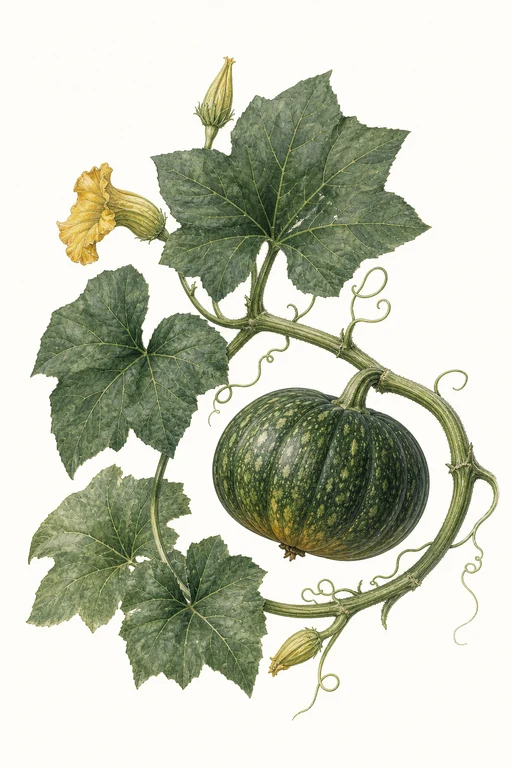
Fragrant as warm spice on the breeze, Thai Kang Kob winter squash develops a richly sweet, musky depth with a velvety, fine-grained flesh that turns luxuriously tender when cooked.
The rind ripens to a handsome, deep green ground with subtle, mottled markings, while the interior offers a golden-orange glow and a smooth, spoonable texture for hearty winter favorites. Grow it for its aromatic presence and its dependable, storage-ready performance—an heirloom-worthy centerpiece for the season’s table.
Light: Full SunMaturity: 95 DaysHabit: Vine
Planting schedules and alerts are optimized for Columbus (Zone 6b).
Crop Dates
| Milestone | Date |
|---|---|
| Start Indoors | Apr 18th |
| Last Frost | Apr 25th |
| Transplant / Sow Outdoors | May 2nd |
| Harvest Begins | Aug 5th |
| Harvest Ends | Oct 16th |
Crop Details
| Trait | Value |
|---|---|
| Days to Maturity | 95 |
| Sun Requirements | Full Sun |
| Growth Habit | Vine |
| Support Needed | Trellis |
| Planting Depth | Normal |
| Germination Temp (°F) | 70 |
| Min Soil Temp (°F) | 65 |
| Min Night Temp (°F) | 55 |
| Harden Off (days) | 12 |
Culinary Notes

Chef's Note
Thai Kang Kob is all about aroma and texture: the flesh turns buttery-smooth and spoonable instead of grainy, with a musky sweetness that loves fat and heat. It’s the kind of squash you roast hard for caramel edges, then purée to a thick velvet that grips spices like a warm custard.

Best Uses
- slow-roasted wedges until the edges caramelize and the center collapses
- creamless purée (roast then blend with butter/stock) for a silky, thick soup base
- cubed roasting or gratins where it holds a custardy texture without turning stringy
- braises and stews where its sweetness rounds out heat

Flavor Profile

Frequently Asked Questions
What pest or disease most commonly affects Cucurbita moschata (Thai Kang Kob), and what should I do?
How often should I water Thai Kang Kob during the main growing phase (vining and fruit development)?
How can I tell when Thai Kang Kob is ready to harvest (Cucurbita moschata)?
Sowing Tips

Transplant Conditions
Wait until soil reaches 65°F and nights stay above 55°F before moving outdoors. Harden off for 12 days first.

Direct Sow Preferred
Sensitive roots — does not transplant well. If starting indoors, use biodegradable pots and disturb roots as little as possible when moving outdoors.
Expert Note

For best results, start seedlings only if you need a head start—keep root disturbance minimal and warm the soil (mulch/black plastic) so vines establish quickly.