
Thelma Sanders Sweet Potato
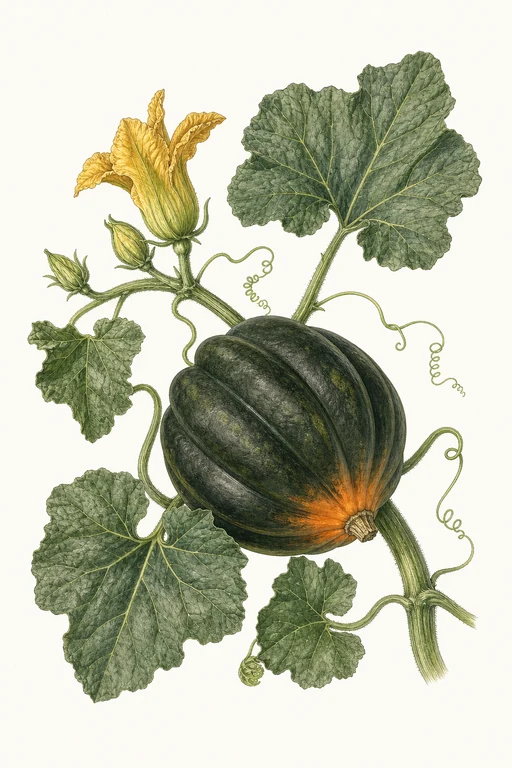
A velvety, sweet-scented harvest with a deep, roasted-squash richness—Thelma Sanders Sweet Potato Acorn Squash brings a warm, golden-orange interior wrapped in a dark, subtly ridged shell.
The flesh is notably fine-grained and tender, with a gently sweet flavor that turns luxuriously silky when cooked, yet still shines when sliced fresh for salads and bowls. Grow it for dependable 70-day results and a centerpiece-worthy acorn shape that looks as good as it tastes in hearty sauces, gratins, and savory spreads.
Light: Full SunMaturity: 70 DaysHabit: Vine
Planting schedules and alerts are optimized for Columbus (Zone 6b).
Crop Dates
| Milestone | Date |
|---|---|
| Start Indoors | Apr 18th |
| Last Frost | Apr 25th |
| Transplant / Sow Outdoors | May 2nd |
| Harvest Begins | Jul 11th |
| Harvest Ends | Oct 16th |
Crop Details
| Trait | Value |
|---|---|
| Days to Maturity | 70 |
| Sun Requirements | Full Sun |
| Growth Habit | Vine |
| Support Needed | Trellis |
| Planting Depth | Normal |
| Germination Temp (°F) | 80 |
| Min Soil Temp (°F) | 65 |
| Min Night Temp (°F) | 55 |
| Harden Off (days) | 10 |
Culinary Notes

Chef's Note
This acorn-style squash has fine-grained flesh that softens into a genuinely silky roast—perfect for spoon-thick purees and gratins where you want body, not watery squash. Its gentle sweetness loves fatty, savory partners (brown butter, sausage) and bright counters (paprika, vinegar-forward dressings) so it tastes warm, not cloying.

Best Uses
- roast-and-scoop wedges for a caramelized, custardy interior
- puree for silky soup or a thick, spoon-coating gratin base
- cube and toss into hearty grain bowls with a sharp dressing
- shave or slice thin when fresh for crisp salads that still feel sweet

Flavor Profile

Kitchen Pairings
Frequently Asked Questions
What pest is most likely to damage Cucurbita pepo (sweet potatoes in the Cucurbitaceae group you’re growing), and how do I control it?
How often should I water during the main growing phase for Cucurbita pepo, and what soil moisture level should I maintain?
How can I tell when my Cucurbita pepo is ready to harvest (about 70 days)?
Sowing Tips

Transplant Conditions
Wait until soil reaches 65°F and nights stay above 55°F before moving outdoors. Harden off for 10 days first.

Direct Sow Preferred
Sensitive roots — does not transplant well. If starting indoors, use biodegradable pots and disturb roots as little as possible when moving outdoors.
Expert Note

Treat it like a cucurbit: start only if you can keep root disturbance minimal (or direct-sow), and transplant/hill only once nights are reliably warm.