
Thelma Sanders
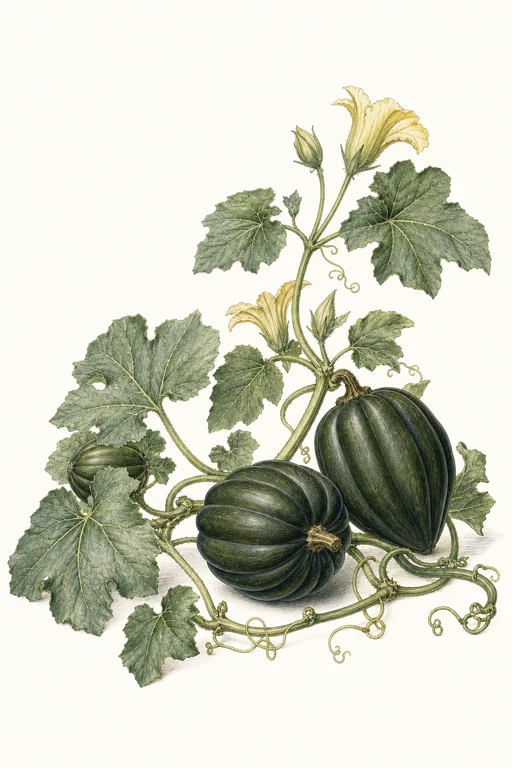
Sweet, nutty flesh with a velvety, spoonable texture—Thelma Sanders Acorn Squash ripens to a richly shaded shell that feels as satisfying in the garden as it is on the table.
The compact, acorn-shaped fruits develop deep, ridged contours and a warm, caramel-leaning interior that shines in roasted halves, purées, and hearty winter-style sauces. Grow it for dependable harvest timing and a flavor that turns simple seasonal meals into something special.
Light: Full SunMaturity: 90 DaysHabit: Vine
Planting schedules and alerts are optimized for Columbus (Zone 6b).
Crop Dates
| Milestone | Date |
|---|---|
| Start Indoors | Apr 11th |
| Last Frost | Apr 25th |
| Transplant / Sow Outdoors | Apr 25th |
| Harvest Begins | Jul 24th |
| Harvest Ends | Oct 16th |
Crop Details
| Trait | Value |
|---|---|
| Days to Maturity | 90 |
| Sun Requirements | Full Sun |
| Growth Habit | Vine |
| Support Needed | Trellis |
| Planting Depth | Normal |
| Germination Temp (°F) | 75 |
| Min Soil Temp (°F) | 65 |
| Min Night Temp (°F) | 55 |
| Harden Off (days) | 10 |
Culinary Notes

Chef's Note
Thelma Sanders acorn squash leans sweet and nutty with a flesh that goes velvety and spoonable—ideal for roasting until the caramel tones show without turning stringy. Use it in purées and hearty sauces where its smooth body fattens the pan and clings to warm spices and nutty fats.

Best Uses
- roasted acorn halves with brown-butter or maple glaze
- thick purée for silky soup base
- pan-roasted cubes that hold their texture under herbs
- winter-style sauce or braise thickener

Flavor Profile

Frequently Asked Questions
What pest or disease most commonly affects Cucurbita pepo (Acorn squash type), and what should I do if I see it?
How often should I water Cucurbita pepo during the main growing phase?
How can I tell when Cucurbita pepo (Acorn squash type) is ready to harvest?
Sowing Tips

Transplant Conditions
Wait until soil reaches 65°F and nights stay above 55°F before moving outdoors. Harden off for 10 days first.

Direct Sow Preferred
Sensitive roots — does not transplant well. If starting indoors, use biodegradable pots and disturb roots as little as possible when moving outdoors.
Expert Note

For the sweetest acorn squash, plant after soil warms and keep vines well-watered through fruit set, then taper watering as they mature.