
Tiana
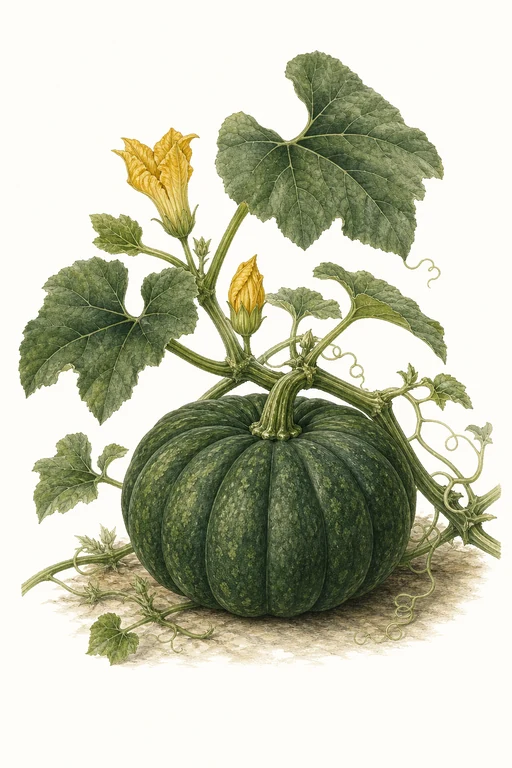
Sink your spoon into Tiana’s richly aromatic flesh—silky-smooth, warmly sweet, and redolent of butterscotch and roasted spice before it ever hits the pan.
This winter squash forms substantial, deep-ribbed fruits with a dense, sturdy skin that keeps beautifully through the season, while the interior turns velvety and golden when fully cured. Grow Tiana for bold fall harvests and dependable, spoonable comfort in hearty winter preparations, from purees and soups to savory bakes and spiced spreads.
Light: Full SunMaturity: 95 DaysHabit: Vine
Planting schedules and alerts are optimized for Columbus (Zone 6b).
Crop Dates
| Milestone | Date |
|---|---|
| Start Indoors | Apr 18th |
| Last Frost | Apr 25th |
| Transplant / Sow Outdoors | May 2nd |
| Harvest Begins | Aug 5th |
| Harvest Ends | Oct 16th |
Crop Details
| Trait | Value |
|---|---|
| Days to Maturity | 95 |
| Sun Requirements | Full Sun |
| Growth Habit | Vine |
| Support Needed | Trellis |
| Planting Depth | Normal |
| Germination Temp (°F) | 80 |
| Min Soil Temp (°F) | 65 |
| Min Night Temp (°F) | 55 |
| Harden Off (days) | 10 |
Culinary Notes

Chef's Note
Tiana’s cured flesh gets truly velvety—ideal for purées that stay thick and glossy instead of going watery. Its butterscotch warmth loves browned fats and earthy herbs, so it shines in spoonable soups, custardy bakes, and spiced mash where it can carry the flavor instead of just backing it up.

Best Uses
- velvet soups and purées (blend smooth, serve hot)
- savory bakes where it holds a thick custardy layer
- spiced spreads or mash swirled with butter and salt
- roasted wedges that caramelize at the edges, then break down into creaminess

Flavor Profile

Frequently Asked Questions
What pest or disease commonly affects Cucurbita moschata (Waltham Butternut-type) and how can I control it?
How often should I water Cucurbita moschata during the main growing phase?
How do I tell when my Cucurbita moschata (95 days) is ready to harvest?
Sowing Tips

Transplant Conditions
Wait until soil reaches 65°F and nights stay above 55°F before moving outdoors. Harden off for 10 days first.

Direct Sow Preferred
Sensitive roots — does not transplant well. If starting indoors, use biodegradable pots and disturb roots as little as possible when moving outdoors.
Expert Note

For Cucurbita moschata, prioritize warm soil and deep compost—aim for mulch and consistent moisture to reduce stress and improve uniform fruit set.