
Tiny Butternut
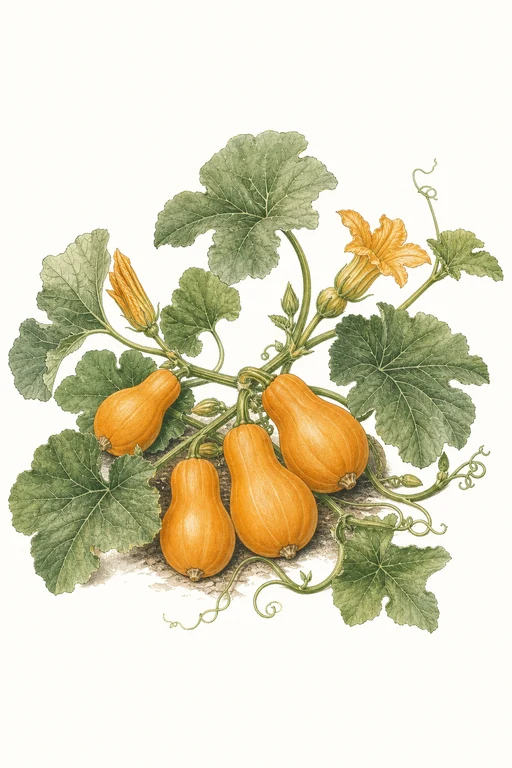
Sink your spoon into Tiny Butternut’s velvety, warm-orange flesh—sweet, nutty, and richly aromatic with a tender, fine-grained texture that feels almost silk-like.
This compact butternut matures in about 90 days, producing petite, easy-to-handle fruits with a classic tapered silhouette that roasts beautifully, then shines in purées and hearty winter sauces. Grow it for a small-space harvest that delivers big, comforting flavor from one gorgeous squash at a time.
Light: Full SunMaturity: 90 DaysHabit: Vine
Planting schedules and alerts are optimized for Columbus (Zone 6b).
Crop Dates
| Milestone | Date |
|---|---|
| Start Indoors | May 9th |
| Last Frost | Apr 25th |
| Transplant / Sow Outdoors | May 23rd |
| Harvest Begins | Aug 21st |
| Harvest Ends | Oct 16th |
Crop Details
| Trait | Value |
|---|---|
| Days to Maturity | 90 |
| Sun Requirements | Full Sun |
| Growth Habit | Vine |
| Support Needed | Trellis |
| Planting Depth | Normal |
| Germination Temp (°F) | 70 |
| Min Soil Temp (°F) | 65 |
| Min Night Temp (°F) | 55 |
| Harden Off (days) | 12 |
Culinary Notes

Chef's Note
Tiny Butternut’s compact size and fine-grained, silk-smooth flesh make it a dream for purées—no grainy texture, just sweet, nutty warmth. Roast it hard for a dark, caramel edge, then purée or smash it so the aromatics stay front-of-palate without turning watery.

Best Uses
- roasted cubes for caramelized edges and creamy interiors
- silky purée for soups, gnocchi sauce, or spoon-on polenta
- hearty winter squash bisque or velouté-style sauces
- roast-and-smash with brown butter and toasted nuts

Flavor Profile

Frequently Asked Questions
What pest or disease most often affects Cucurbita moschata (Tiny Butternut), and how can I control it?
How often should I water Tiny Butternut during the main growing phase?
How do I know when Tiny Butternut (Cucurbita moschata) is ready to harvest?
Sowing Tips

Transplant Conditions
Wait until soil reaches 65°F and nights stay above 55°F before moving outdoors. Harden off for 12 days first.

Direct Sow Preferred
Sensitive roots — does not transplant well. If starting indoors, use biodegradable pots and disturb roots as little as possible when moving outdoors.
Expert Note

For best mini-butternut size and sweetness, grow on warm soil, keep vines well-watered early, then taper watering as fruits mature.