
Toma Amarilla
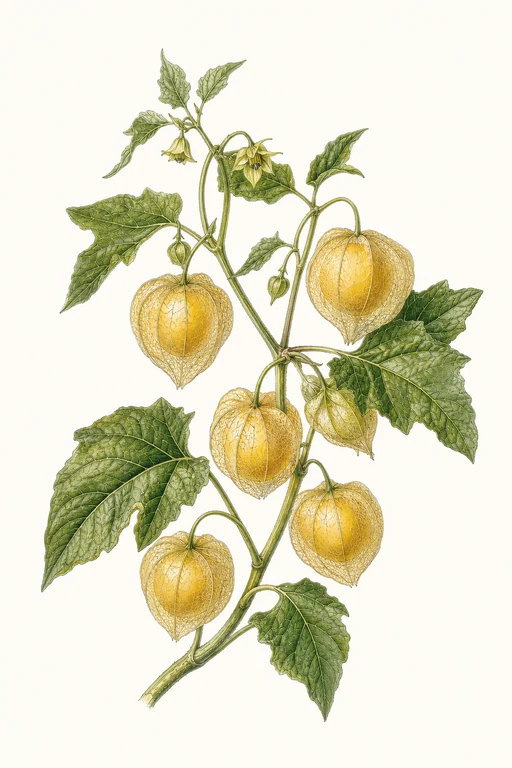
Sunlit and fragrant, Toma Amarilla tomatillos ripen to a warm golden-yellow that practically glows beneath their papery husks.
The fruit’s flesh is bright and tangy with a juicy, snap-tender bite, ideal for turning into vivid sauces and zesty salsas, or for roasting until the husk-kissed edges deepen in flavor. Grow Toma Amarilla for a long, productive season—75 days to maturity—when your garden’s harvest looks as radiant as it tastes.
Light: Full SunMaturity: 75 DaysHabit: Upright
Planting schedules and alerts are optimized for Columbus (Zone 6b).
Crop Dates
| Milestone | Date |
|---|---|
| Start Indoors | Feb 28th |
| Last Frost | Apr 25th |
| Transplant / Sow Outdoors | Jun 20th |
| Harvest Begins | Sep 3rd |
| Harvest Ends | Oct 16th |
Crop Details
| Trait | Value |
|---|---|
| Days to Maturity | 75 |
| Sun Requirements | Full Sun |
| Growth Habit | Upright |
| Support Needed | Stake |
| Planting Depth | Deep |
| Germination Temp (°F) | 75 |
| Min Soil Temp (°F) | 60 |
| Min Night Temp (°F) | 50 |
| Harden Off (days) | 7 |
Culinary Notes

Chef's Note
Toma Amarilla leans hard into bright, juicy tartness with a clean snap, so it stays vibrant even when it hits the pan. Roast it with the husk for husk-kissed, smoky edges that cling to tortillas and balance rich proteins like a straight shot of verde with manners.

Best Uses
- blistered tomatillo salsa verde with a chunky, spoonable texture
- quick-cook stovetop sauce for tacos—simmer just until pulpy, not hollow
- roast-under-the-husk rounds for smoky, husk-kissed edges
- charred tomatillo salsa to cut through fatty meats

Flavor Profile

Frequently Asked Questions
What is a common pest or disease problem for Physalis philadelphica (toma amarilla) and how do I fix it?
How often should I water toma amarilla during the main growing phase?
How can I tell when toma amarilla (Physalis philadelphica) is ready to harvest?
Sowing Tips

Transplant Conditions
Wait until soil reaches 60°F and nights stay above 50°F before moving outdoors. Harden off for 7 days first.
Expert Note

For best sweetness and sauce quality, transplant into consistently warm soil and harvest husked fruits as they fully fill and turn yellow.