
Top Hat
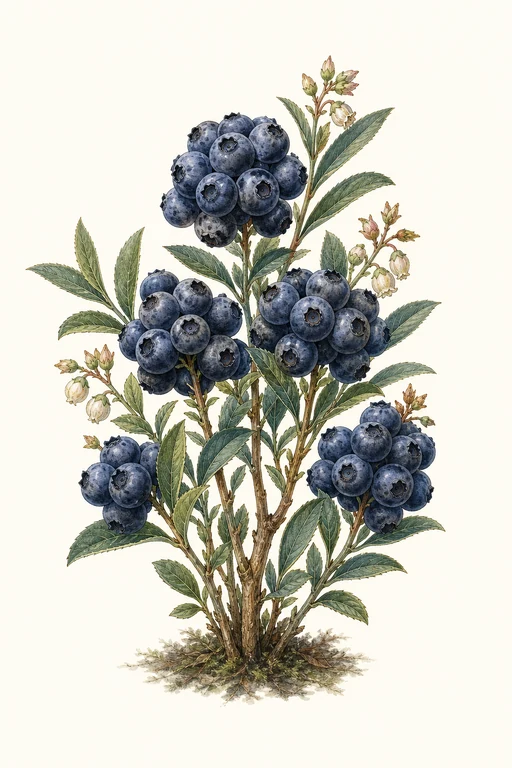
Plump, berry-bright clusters of Top Hat arrive in a season-defining rush, their skins a rich blueberry-blue with a cool, powdery bloom that catches the light like velvet.
Expect a juicy, sweet-tart bite and a tender, garden-fresh texture that shines in every handful—ideal for fresh snacking, vibrant sauces, and preserves that keep their color and character. A compact, home-garden-friendly habit makes Top Hat a standout for patios and small spaces, delivering big flavor without sprawling growth.
Light: Full SunMaturity: 90 DaysHabit: Shrub
Planting schedules and alerts are optimized for Columbus (Zone 6b).
Crop Dates
| Milestone | Date |
|---|---|
| Start Indoors | Direct Sow |
| Last Frost | Apr 25th |
| Transplant / Sow Outdoors | Apr 25th |
| Harvest Begins | Jul 24th |
| Harvest Ends | Oct 16th |
Crop Details
| Trait | Value |
|---|---|
| Days to Maturity | 90 |
| Sun Requirements | Full Sun |
| Growth Habit | Shrub |
| Support Needed | None |
| Planting Depth | Normal |
| Germination Temp (°F) | 70 |
| Min Soil Temp (°F) | 45 |
| Min Night Temp (°F) | 28 |
| Harden Off (days) | 7 |
Culinary Notes

Chef's Note
Top Hat’s sweet-tart balance and tender, juicy texture make it the kind of blueberry that doesn’t need cooking to feel complete—fresh it tastes bright and alive, not watery. When you do heat it, its color stays punchy and the berries break down gently into a spoonable, glossy compote rather than a dull, jam-thick mass.

Best Uses
- eat-out-of-hand and spoon over plain yogurt
- quick stovetop compote that stays glossy and not jammy
- high-color preserves or freezer jam
- baking where the berries hold shape—muffins, scones, and shortcake

Flavor Profile

Kitchen Pairings
Frequently Asked Questions
What pests or diseases commonly affect Vaccinium angustifolium × corymbosum (Top Hat blueberries), and how do I treat them?
How often should I water Top Hat blueberries during the main growing phase, and what soil moisture level do they need?
How can I tell when Top Hat blueberries are ready to harvest?
Sowing Tips

Transplant Conditions
Wait until soil reaches 45°F and nights stay above 28°F before moving outdoors. Harden off for 7 days first.
Expert Note

For dwarf container blueberry, use an acidic soilless mix (about pH 4.5–5.5) and keep consistently moist while establishing roots.