
Toy Choy
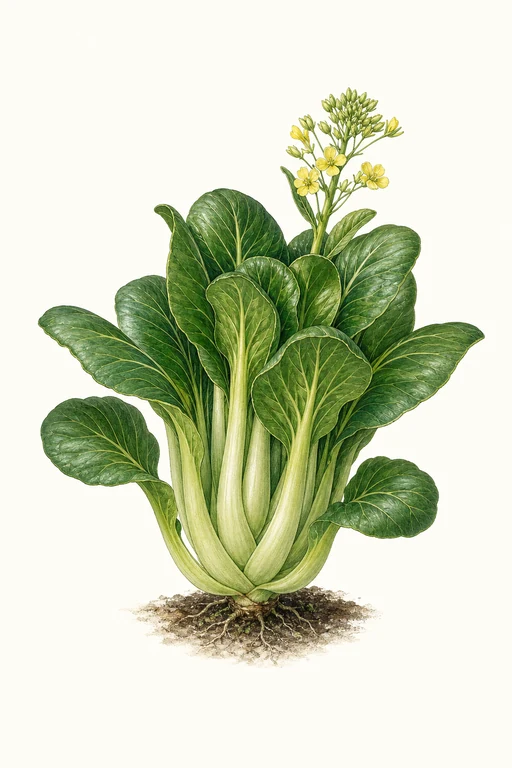
Sweet, crisp stems and tender, spoonable leaves—Toy Choy brings a delicate crunch with a gentle, fresh bite that feels bright from the first harvest.
At about 45 days, its compact heads develop in neat, upright clumps, offering a refined texture that stays pleasantly crisp even when lightly warmed. Ideal for stir-fries, quick sautés, and fresh additions to salads, Toy Choy also shines in broths and silky sauces where its mild flavor keeps the spotlight on the garden’s best greens.
Light: Full SunMaturity: 45 DaysHabit: Rosette
Planting schedules and alerts are optimized for Columbus (Zone 6b).
Crop Dates
| Milestone | Date |
|---|---|
| Start Indoors | Mar 28th |
| Last Frost | Apr 25th |
| Transplant / Sow Outdoors | Apr 25th |
| Harvest Begins | Jun 9th |
| Harvest Ends | Oct 16th |
Crop Details
| Trait | Value |
|---|---|
| Days to Maturity | 45 |
| Sun Requirements | Full Sun |
| Growth Habit | Rosette |
| Support Needed | None |
| Planting Depth | Normal |
| Germination Temp (°F) | 70 |
| Min Soil Temp (°F) | 45 |
| Min Night Temp (°F) | 30 |
| Harden Off (days) | 6 |
Culinary Notes

Chef's Note
Toy Choy is built for speed: keep it to a short heat so the stems stay snappy and the leaves turn spoon-tender without going watery. Its mild, sweet brassica flavor plays well with salty umami and warm aromatics, so it won’t get lost in a wok or a broth.

Best Uses
- quick wok stir-fries where it gets glossy but not overcooked
- light sauté or blanch-then-butter applications to keep stem crunch
- broths for a delicate, clean green finish
- silky sauces where the mildness lets aromatics and fat do the talking

Flavor Profile

Kitchen Pairings
Frequently Asked Questions
What’s the most common disease or pest problem for Brassica rapa (toy choy), and what should I do?
How often should I water toy choy during its main growth phase?
How can I tell when toy choy is ready to harvest?
Sowing Tips

Transplant Conditions
Wait until soil reaches 45°F and nights stay above 30°F before moving outdoors. Harden off for 6 days first.
Expert Note

For best quality, transplant Toy Choy/baby bok choy when nights are reliably cool and keep soil evenly moist to prevent bolting.