
Treviso Precoce Mesola
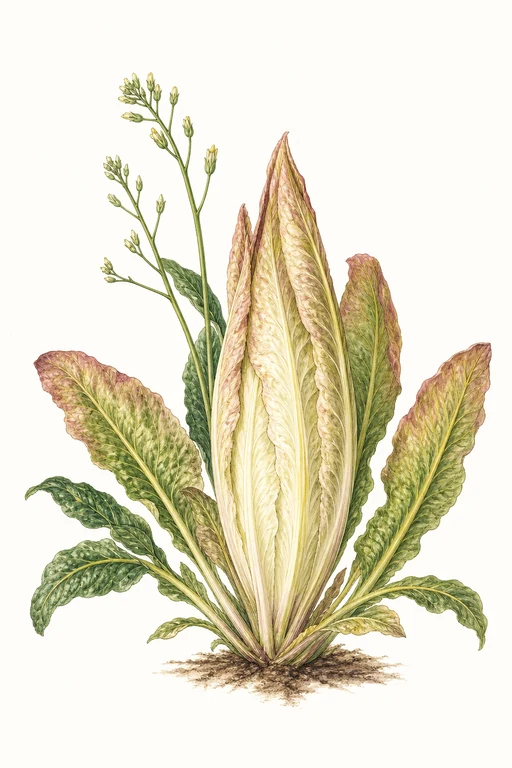
Crisp as fresh-cut glass, Treviso Precoce Mesola unfurls into elongated, tapered heads with a luminous pale-green heart and a softly blushed outer sheen.
Its flavor is pleasantly early and bright—sweet at the core, with a gentle, pleasantly bitter edge that lingers just enough to make every spoonful feel alive. Grow it for elegant salads and refined braises, or let its tender leaves shine in quick pickles and vibrant sauces.
Light: Full SunMaturity: 55 DaysHabit: Rosette
Planting schedules and alerts are optimized for Columbus (Zone 6b).
Crop Dates
| Milestone | Date |
|---|---|
| Start Indoors | Direct Sow |
| Last Frost | Apr 25th |
| Transplant / Sow Outdoors | Apr 18th |
| Harvest Begins | Jun 12th |
| Harvest Ends | Oct 16th |
Crop Details
| Trait | Value |
|---|---|
| Days to Maturity | 55 |
| Sun Requirements | Full Sun |
| Growth Habit | Rosette |
| Support Needed | None |
| Planting Depth | Normal |
| Germination Temp (°F) | 70 |
| Min Soil Temp (°F) | 40 |
| Min Night Temp (°F) | 35 |
| Harden Off (days) | Not Required |
Culinary Notes

Chef's Note
Treviso Precoce Mesola hits with sweet brightness first and a controlled, lingering bitterness—exactly the kind that stands up to sharp acid without getting harsh. Use it crisp under dressing or braise fast for a silkier center; either way, it keeps its elongated bite instead of collapsing.

Best Uses
- shaved or torn salads dressed lightly so the crunch stays audible
- quick pan-braise/steam-fry to mellow bitterness while keeping structure
- vinegar or brine quick-pickles for snap and tangy bite
- warm, glossy sauce target: wilt just enough to glaze without turning leathery

Flavor Profile

Kitchen Pairings
Frequently Asked Questions
What pest or disease commonly affects Cichorium intybus (Treviso Precoce Mesola), and how can I manage it?
How often should I water Cichorium intybus during the main growing phase to keep it crisp?
How do I tell when Cichorium intybus is ready to harvest?
Sowing Tips

Transplant Conditions
Wait until soil reaches 40°F and nights stay above 35°F before moving outdoors.
Expert Note

Direct-sow radicchio so heads form in cool weather; consistent moisture and mild cool nights improve color and flavor while reducing harsh bitterness.