
Tristar
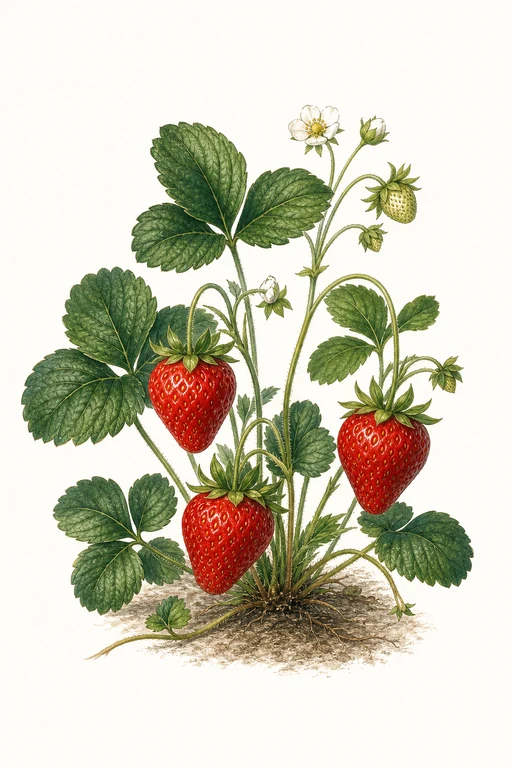
Sun-warmed Tristar strawberries burst with a bright, classic berry fragrance and a sweet-tart, candy-red flavor that feels vivid from the first bite.
The fruit is medium to large with a glossy, conical shape and a firm, juicy texture that holds its character beautifully for fresh enjoyment and preserves alike. Grow Tristar for a reliable, home-garden harvest at about 70 days—ideal for turning baskets into fragrant, ruby-red highlights across the season.
Light: Full SunMaturity: 70 DaysHabit: Perennial_Crown
Location not set yet
Location not set yet
Enter your ZIP for local crop dates
Tristar Planting Dates by USDA Zone
Estimated US hardiness-zone windows for sow, transplant, and harvest. Enter a US ZIP above for exact local dates, or open a zone below.
| Zone | Start Indoors | Sow / Transplant | Harvest |
|---|---|---|---|
| Zone 1a | Direct Sow | Jun 15th | Aug 24th – Jul 15th |
| Zone 1b | Direct Sow | Jun 1st | Aug 10th – Aug 1st |
| Zone 2a | Direct Sow | May 25th | Aug 3rd – Aug 29th |
| Zone 2b | Direct Sow | May 15th | Jul 24th – Aug 25th |
| Zone 3a | Direct Sow | May 15th | Jul 24th – Sep 1st |
| Zone 3b | Direct Sow | May 19th | Jul 28th – Sep 21st |
| Zone 4a | Direct Sow | May 15th | Jul 24th – Sep 24th |
| Zone 4b | Direct Sow | May 13th | Jul 22nd – Sep 27th |
| Zone 5a | Direct Sow | May 8th | Jul 17th – Sep 30th |
| Zone 5b | Direct Sow | May 4th | Jul 13th – Oct 5th |
| Zone 6a | Direct Sow | May 1st | Jul 10th – Oct 10th |
| Zone 6b | Direct Sow | Apr 25th | Jul 4th – Oct 16th |
| Zone 7a | Direct Sow | Apr 20th | Jun 29th – Oct 20th |
| Zone 7b | Direct Sow | Apr 10th | Jun 19th – Oct 28th |
| Zone 8a | Direct Sow | Apr 1st | Jun 10th – Nov 5th |
| Zone 8b | Direct Sow | Mar 23rd | Jun 1st – Nov 12th |
| Zone 9a | Direct Sow | Mar 6th | May 15th – Nov 26th |
| Zone 9b | Direct Sow | Feb 9th | Apr 20th – Dec 9th |
| Zone 10a | — | Oct 1st | Dec 10th – Feb 28th |
| Zone 10b | — | Oct 1st | Dec 10th – Feb 28th |
| Zone 11a | — | Oct 1st | Dec 10th – Feb 28th |
| Zone 11b | — | Oct 1st | Dec 10th – Feb 28th |
| Zone 12a | — | Oct 1st | Dec 10th – Feb 28th |
| Zone 12b | — | Oct 1st | Dec 10th – Feb 28th |
| Zone 13a | — | Oct 1st | Dec 10th – Feb 28th |
| Zone 13b | — | Oct 1st | Dec 10th – Feb 28th |
Crop Details
| Trait | Value |
|---|---|
| Days to Maturity | 70 |
| Sun Requirements | Full Sun |
| Growth Habit | Perennial_Crown |
| Support Needed | None |
| Planting Depth | Normal |
| Germination Temp (°F) | 70 |
| Min Soil Temp (°F) | 40 |
| Min Night Temp (°F) | 28 |
| Harden Off (days) | 7 |
Culinary Notes

Chef's Note
Tristar’s firm, juicy flesh stands up to quick maceration, so you get real strawberry fruit in the bowl rather than a fast-melting paste. The sweet-tart punch and perfume are built for cold applications—think cream, vanilla, and a hit of lemon—then hold their own in preserves where color stays ruby-red.

Best Uses
- fresh eating in sliced salads where they can keep their shape
- quick maceration for spoonable topping (held, not soupy)
- canning or freezer preserves for vivid candy-red color and texture
- folding into whipped cream or yogurt for a clean, fragrant finish

Flavor Profile

Kitchen Pairings
Frequently Asked Questions
Why are my Fragaria × ananassa (eversweet-type ‘Tristar’) leaves developing brown spots or turning yellow, and what should I do?
How often should I water ‘Tristar’ strawberries during the main growing phase?
How can I tell when ‘Tristar’ strawberries are ready to harvest?
Sowing Tips

Transplant Conditions
Wait until soil reaches 40°F and nights stay above 28°F before moving outdoors. Harden off for 7 days first.
Expert Note

For best day-neutral performance, keep plants consistently moist and give plenty of sun; in containers, use a fresh, well-draining mix and don’t let roots dry out.