
Tropeana Lunga
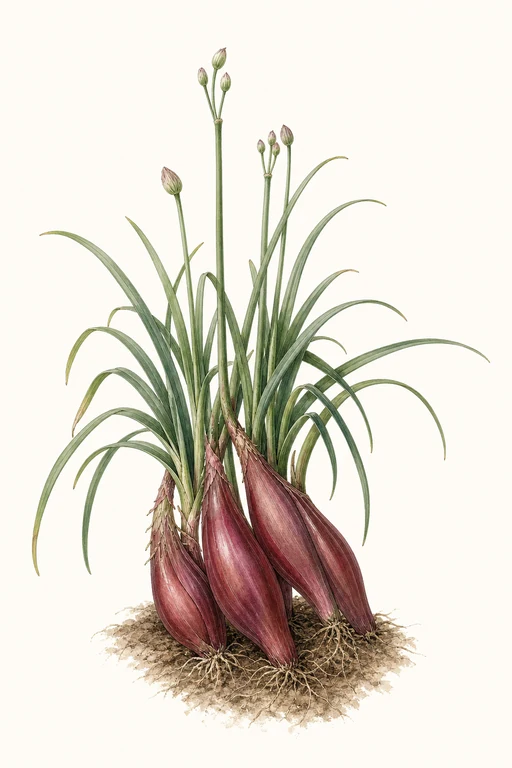
Sweetly aromatic and richly red from shoulder to stem, Tropeana Lunga forms long, elegant red onions with a gentle bite that softens into mellow sweetness.
The flesh is crisp and juicy with fine, tight rings, making each bulb feel substantial yet refined in the hand. Grow Tropeana Lunga for standout red color and dependable 90-day maturity—ideal for bold, colorful onion-forward dishes, from roasting to fresh slicing and vibrant pickling.
Light: Full SunMaturity: 90 DaysHabit: Upright
Location not set yet
Location not set yet
Enter your ZIP for local crop dates
Tropeana Lunga Planting Dates by USDA Zone
Estimated US hardiness-zone windows for sow, transplant, and harvest. Enter a US ZIP above for exact local dates, or open a zone below.
| Zone | Start Indoors | Sow / Transplant | Harvest |
|---|---|---|---|
| Zone 1a | Protected Environment Only | ||
| Zone 1b | Protected Environment Only | ||
| Zone 2a | Direct Sow | May 25th | Aug 23rd – Aug 29th |
| Zone 2b | Direct Sow | May 15th | Aug 13th – Aug 25th |
| Zone 3a | Direct Sow | May 15th | Aug 13th – Sep 1st |
| Zone 3b | Direct Sow | May 19th | Aug 17th – Sep 21st |
| Zone 4a | Direct Sow | May 15th | Aug 13th – Sep 24th |
| Zone 4b | Direct Sow | May 13th | Aug 11th – Sep 27th |
| Zone 5a | Direct Sow | May 8th | Aug 6th – Sep 30th |
| Zone 5b | Direct Sow | May 4th | Aug 2nd – Oct 5th |
| Zone 6a | Direct Sow | May 1st | Jul 30th – Oct 10th |
| Zone 6b | Direct Sow | Apr 25th | Jul 24th – Oct 16th |
| Zone 7a | Direct Sow | Apr 20th | Jul 19th – Oct 20th |
| Zone 7b | Direct Sow | Apr 10th | Jul 9th – Oct 28th |
| Zone 8a | Direct Sow | Apr 1st | Jun 30th – Nov 5th |
| Zone 8b | Direct Sow | Mar 23rd | Jun 21st – Nov 12th |
| Zone 9a | Direct Sow | Mar 6th | Jun 4th – Nov 26th |
| Zone 9b | Direct Sow | Feb 9th | May 10th – Dec 9th |
| Zone 10a | Continuous Production | ||
| Zone 10b | Continuous Production | ||
| Zone 11a | Continuous Production | ||
| Zone 11b | Continuous Production | ||
| Zone 12a | Continuous Production | ||
| Zone 12b | Continuous Production | ||
| Zone 13a | Continuous Production | ||
| Zone 13b | Continuous Production | ||
Crop Details
| Trait | Value |
|---|---|
| Days to Maturity | 90 |
| Sun Requirements | Full Sun |
| Growth Habit | Upright |
| Support Needed | None |
| Planting Depth | Normal |
| Germination Temp (°F) | 60 |
| Min Soil Temp (°F) | 45 |
| Min Night Temp (°F) | 28 |
| Harden Off (days) | Not Required |
Culinary Notes

Chef's Note
Tropeana Lunga’s mild, sweet-softening bite and tight-ring crunch make it a red-onion that still behaves raw—less watery, more substantial. Roast or pickle it and it keeps its color and shape, giving you onion sweetness without turning to mush.

Best Uses
- roasting halves until jammy at the edges while staying structured
- thick raw slices for salads where the crunch won’t collapse into watery strands
- quick pickling for vivid red color and snappy tang
- caramelizing for glossy, controlled sweetness rather than deep-bitter onion funk

Flavor Profile

Kitchen Pairings
Frequently Asked Questions
How do I manage onion (Allium cepa) problems with thrips or onion maggots?
What soil moisture schedule should I follow for onion (Allium cepa) during the main growing phase?
How can I tell when onion (Allium cepa) is ready to harvest?
Sowing Tips

Transplant Conditions
Wait until soil reaches 45°F and nights stay above 28°F before moving outdoors.
Expert Note

For sweet, bottle-shaped bulbs, use transplants/sets at the earliest point the soil is workable (avoid cold snaps after planting) and keep plants evenly watered until bulbing starts.