
Tulameen
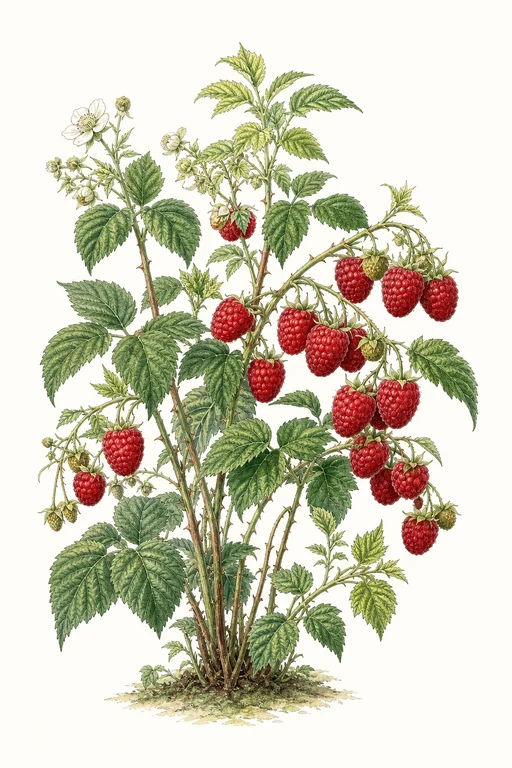
Sun-warmed berries of Tulameen burst with a bright, jewel-toned raspberry flavor—sweet at first sip, then beautifully tangy, with a fragrant, garden-fresh finish.
The fruit is medium-large and delightfully firm, holding its shape with a juicy, tender snap that’s perfect for spoonfuls and preserves alike. Grow Tulameen for a dependable, midseason harvest that turns beds into a living ribbon of color from cane to cane.
Light: Full SunMaturity: 90 DaysHabit: Clumping
Planting schedules and alerts are optimized for Columbus (Zone 6b).
Crop Dates
| Milestone | Date |
|---|---|
| Start Indoors | Direct Sow |
| Last Frost | Apr 25th |
| Transplant / Sow Outdoors | Apr 25th |
| Harvest Begins | Jul 24th |
| Harvest Ends | Oct 16th |
Crop Details
| Trait | Value |
|---|---|
| Days to Maturity | 90 |
| Sun Requirements | Full Sun |
| Growth Habit | Clumping |
| Support Needed | Trellis |
| Planting Depth | Normal |
| Germination Temp (°F) | 70 |
| Min Soil Temp (°F) | 45 |
| Min Night Temp (°F) | 40 |
| Harden Off (days) | Not Required |
Culinary Notes

Chef's Note
Tulameen raspberries hit sweet first and then pivot into clean, tangy brightness, with drupelets that stay plump instead of collapsing—ideal for spoonable fruit or a jam that sets without losing texture. Pair them with vanilla and lemon to underline the perfume, or let them contrast dark chocolate’s bitterness for a punchy, late-summer dessert bite.

Best Uses
- spoon-forward fresh eating and yogurt/porridge topping
- thick jam and preserve—keeps set without turning to mush
- macerated berries for short, syrupy dessert sauces
- folding into scones, muffins, and sponge cakes for juicy pockets

Flavor Profile

Kitchen Pairings
Frequently Asked Questions
What’s a common disease problem for Tulameen raspberry (Rubus idaeus), and how do I manage it?
How often should I water Tulameen raspberry during the main growing phase?
How can I tell when Tulameen raspberries (Rubus idaeus) are ready to harvest?
Sowing Tips

Transplant Conditions
Wait until soil reaches 45°F and nights stay above 40°F before moving outdoors.
Expert Note

Plant raspberries in full sun with well-drained soil and give each cane space for airflow to reduce disease.