
Ulster
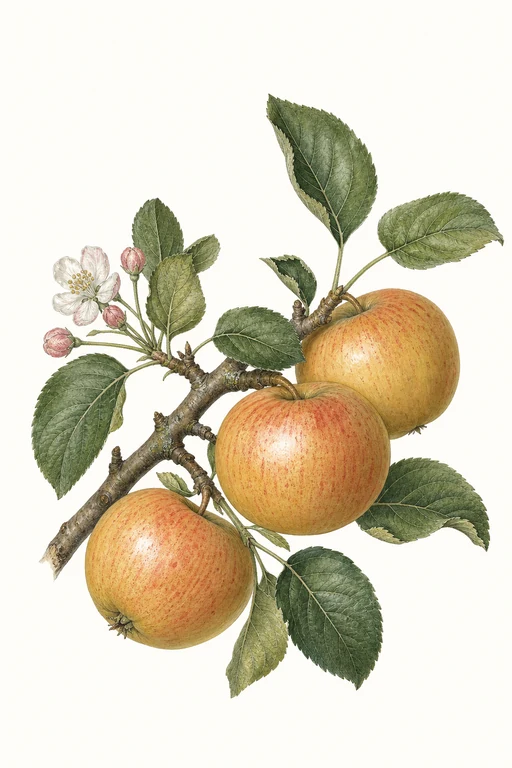
Crisp, bright-tart bite meets a gentle sweetness in Ulster apples, with a juicy, fine-grained texture that feels lively from the first crunch.
The fruit’s flavor profile shines for fresh enjoyment and for turning into fragrant sauces, preserves, and spiced preparations—its balanced character holds up beautifully when simmered. Grow Ulster for a dependable, long-season harvest and a tree that rewards patience with richly colored, mouthwatering pome fruit.
Light: Full SunMaturity: 365 DaysHabit: Shrub
Planting schedules and alerts are optimized for Columbus (Zone 6b).
Crop Dates
| Milestone | Date |
|---|---|
| Last Frost | Apr 25th |
| Growing Approach | Protected Environment Only |
Crop Details
| Trait | Value |
|---|---|
| Days to Maturity | 365 |
| Sun Requirements | Full Sun |
| Growth Habit | Shrub |
| Support Needed | None |
| Planting Depth | Normal |
| Germination Temp (°F) | 70 |
| Min Soil Temp (°F) | 45 |
| Min Night Temp (°F) | 35 |
| Harden Off (days) | Not Required |
Culinary Notes

Chef's Note
Ulster’s bright acidity and juicy, fine-grained crunch make it a standout for raw slicing—each bite stays crisp instead of turning watery. When you simmer it, the flavor doesn’t disappear; it rounds off into a fragrant, tart-sweet sauce and holds up beautifully under cinnamon and gentle browning.

Best Uses
- thin-sliced eating with sharp cheeses and salt—this one keeps its snap
- simmered apple sauce that stays fragrant instead of turning blandly sweet
- spiced preserves/compote where tartness balances sugar
- roasting wedges for caramelized edges without collapsing into mush

Flavor Profile

Kitchen Pairings
Frequently Asked Questions
What pests or diseases commonly hit Malus domestica (apple) and how can I manage them at home?
How often should I water Malus domestica during the main growing phase, and what soil moisture level should I aim for?
How do I tell when Malus domestica apples are ready to harvest?
Sowing Tips

Transplant Conditions
Wait until soil reaches 45°F and nights stay above 35°F before moving outdoors.
Expert Note

Plant apple trees in full sun with well-drained soil, then schedule annual pruning and thinning for best fruit size and disease control.