
Ultragala
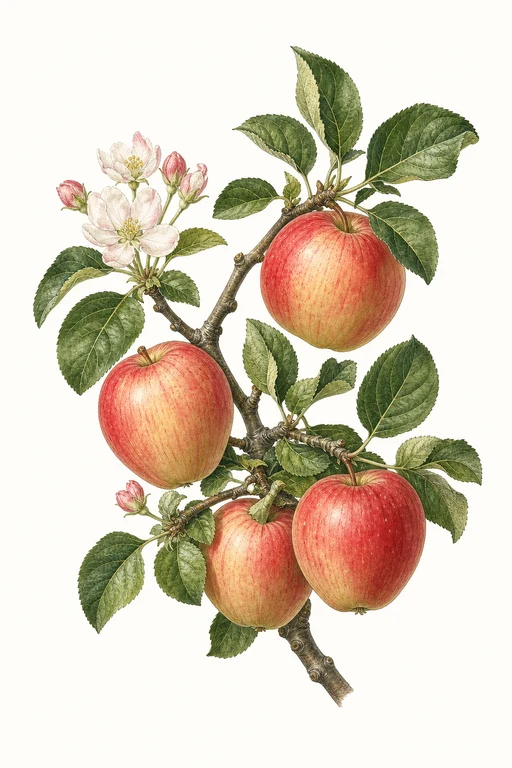
Crisp, bright, and unmistakably apple-sweet, Ultragala brings a clean snap and juicy bite with a subtly aromatic finish that lingers on the palate.
The fruit develops a balanced, rosy-tinged glow over a smooth, satiny skin, with flesh that stays crisp and refreshing from first harvest through storage. Grow Ultragala for a season-spanning orchard favorite—ideal for fresh enjoyment and for turning into fragrant sauces and preserves when you want that just-picked flavor all year long.
Light: Full SunMaturity: 365 DaysHabit: Tree
Planting schedules and alerts are optimized for Columbus (Zone 6b).
Crop Dates
| Milestone | Date |
|---|---|
| Last Frost | Apr 25th |
| Growing Approach | Protected Environment Only |
Crop Details
| Trait | Value |
|---|---|
| Days to Maturity | 365 |
| Sun Requirements | Full Sun |
| Growth Habit | Tree |
| Support Needed | None |
| Planting Depth | Normal |
| Germination Temp (°F) | 65 |
| Min Soil Temp (°F) | 50 |
| Min Night Temp (°F) | 35 |
| Harden Off (days) | Not Required |
Culinary Notes

Chef's Note
Ultragala’s crisp, storage-friendly flesh makes it a go-to when you want apple crunch to survive contact—whether it’s a vinaigrette or a hot pan glaze. Its subtly aromatic, rosy-tinged sweetness plays especially well with sharp dairy and browned butter rather than getting lost under heavy spices.

Best Uses
- thin slices for salad where it stays crunchy under vinaigrette
- cold snacking or cheese boards—cuts cleanly and doesn’t turn mealy
- fast sauté into a butter-sugar glaze for pork chops or crepes
- spiced preserves or reduction sauce where you want that just-picked aromatics
- baking with controlled sweetness (muffins, galettes) for a crisp edge-to-center texture

Flavor Profile

Kitchen Pairings
Frequently Asked Questions
What’s a common disease problem for Malus domestica (apple) and how do I manage it?
How often should I water Malus domestica during the main growing season?
How can I tell when Malus domestica apples are ready to harvest?
Sowing Tips

Transplant Conditions
Wait until soil reaches 50°F and nights stay above 35°F before moving outdoors.
Expert Note

Plant grafted apple trees in full sun with well-drained soil and prioritize disease-resistant varieties plus proper spacing and pruning for airflow.