
Valentine
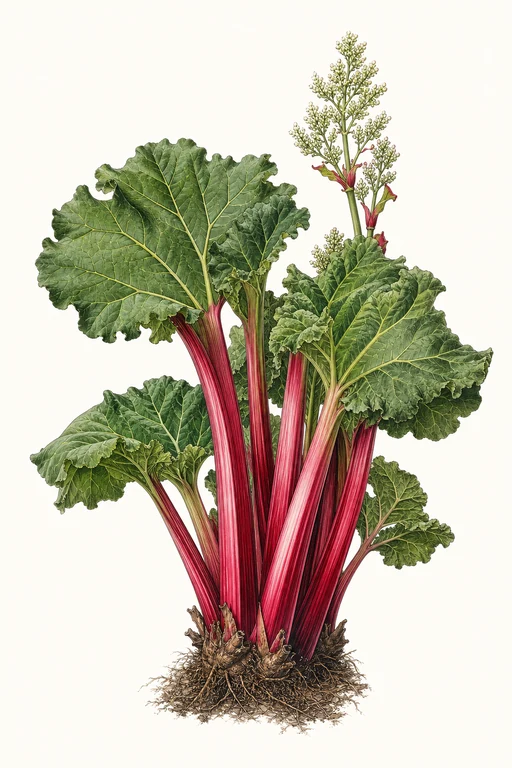
Velvety, jewel-toned Valentine rhubarb rises with a dramatic blush—deep cranberry-red stalks edged in rosy undertones, topped by sturdy green.
Expect a crisp, succulent bite with a tender, juicy texture that sings in preserves and sauces, and shines when roasted for caramelized sweetness. A perennial favorite for home gardens, it rewards patient growers with dependable harvests year after year.
Light: Full SunMaturity: 365 DaysHabit: Clumping
Planting schedules and alerts are optimized for Columbus (Zone 6b).
Crop Dates
| Milestone | Date |
|---|---|
| Last Frost | Apr 25th |
| Growing Approach | Protected Environment Only |
Crop Details
| Trait | Value |
|---|---|
| Days to Maturity | 365 |
| Sun Requirements | Full Sun |
| Growth Habit | Clumping |
| Support Needed | None |
| Planting Depth | Normal |
| Germination Temp (°F) | 70 |
| Min Soil Temp (°F) | 45 |
| Min Night Temp (°F) | 28 |
| Harden Off (days) | Not Required |
Culinary Notes

Chef's Note
Valentine rhubarb brings a clean, cranberry-tart bite with a juicy, crisp stalk that doesn’t turn to mush when you cook it down—so your preserves stay bright and your sauces stay spoonable. Roast it and you’ll get that blushing caramel edge; it plays especially well with sweet fruit and warm spice without needing much help.

Best Uses
- high-stakes preserves: jam or compote where the stalk stays suspended
- stovetop sauce that coats pancakes or yogurt—reduced to a glossy cling
- roasting for caramelized edges and deep pink syrup
- baking in pies/tarts where it needs structure but not toughness

Flavor Profile

Kitchen Pairings
Frequently Asked Questions
What pest or disease commonly affects Rheum rhabarbarum (Valentine rhubarb), and how do I control it?
How often should I water Rheum rhabarbarum during its main growing season?
How can I tell when Valentine rhubarb is ready to harvest?
Sowing Tips

Transplant Conditions
Wait until soil reaches 45°F and nights stay above 28°F before moving outdoors.
Expert Note

Plant crowns in early spring or fall in deep, well-drained soil; establish for at least a year before heavy harvesting so the roots build strength.