
Verona
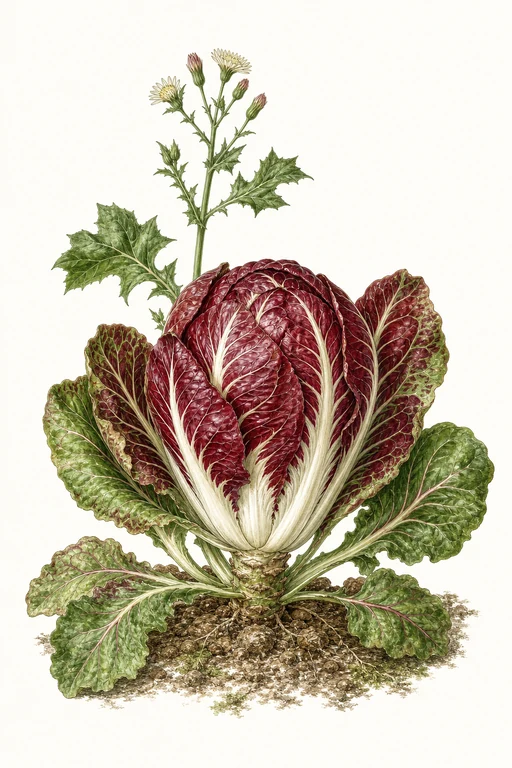
Crisp, cool-hearted heads of Verona radicchio arrive with a vivid, wine-red glow over tightly layered leaves—an eye-catching crunch that tastes pleasantly bitter with a sweet, nutty lift.
The texture is firm and snappy, forming compact rosettes that hold their shape beautifully from garden to table. Grow Verona for fresh salads, roasted wedges, and striking additions to braises and savory sauces where its bold color and classic radicchio bite shine.
Light: Full SunMaturity: 55 DaysHabit: Rosette
Planting schedules and alerts are optimized for Columbus (Zone 6b).
Crop Dates
| Milestone | Date |
|---|---|
| Start Indoors | Direct Sow |
| Last Frost | Apr 25th |
| Transplant / Sow Outdoors | Apr 25th |
| Harvest Begins | Jun 19th |
| Harvest Ends | Oct 16th |
Crop Details
| Trait | Value |
|---|---|
| Days to Maturity | 55 |
| Sun Requirements | Full Sun |
| Growth Habit | Rosette |
| Support Needed | None |
| Planting Depth | Normal |
| Germination Temp (°F) | 55 |
| Min Soil Temp (°F) | 45 |
| Min Night Temp (°F) | 35 |
| Harden Off (days) | Not Required |
Culinary Notes

Chef's Note
Verona radicchio gives you that classic cool-bitter crunch with a sweet-nutty undercurrent, and the tight rosette structure means it doesn’t collapse into mush when heated. It’s a great choice when you want bitterness to show up—then soften at the edges—without losing the snap.

Best Uses
- thin-shaved radicchio salad with a slippery, acidic dressing
- roasted wedges on high heat until edges caramelize while the core stays firm
- braised radicchio—simmered just until mellow but still fibrous at the bite
- chopped radicchio for savory sauces where bitterness needs a fat-and-acid counterbalance

Flavor Profile

Kitchen Pairings
Frequently Asked Questions
What pest or disease commonly affects Cichorium intybus (indigo radicchio/“Verona”), and what’s the best at-home fix?
How often should I water Cichorium intybus during the main growing phase, and what soil moisture level should I maintain?
How can I tell when “Verona” Cichorium intybus is ready to harvest?
Sowing Tips

Transplant Conditions
Wait until soil reaches 45°F and nights stay above 35°F before moving outdoors.
Expert Note

Sow where temperatures stay cool (radicchio is happier with mild days and cool nights) and you’ll get better color and a less harsh bitterness.