
Vertus
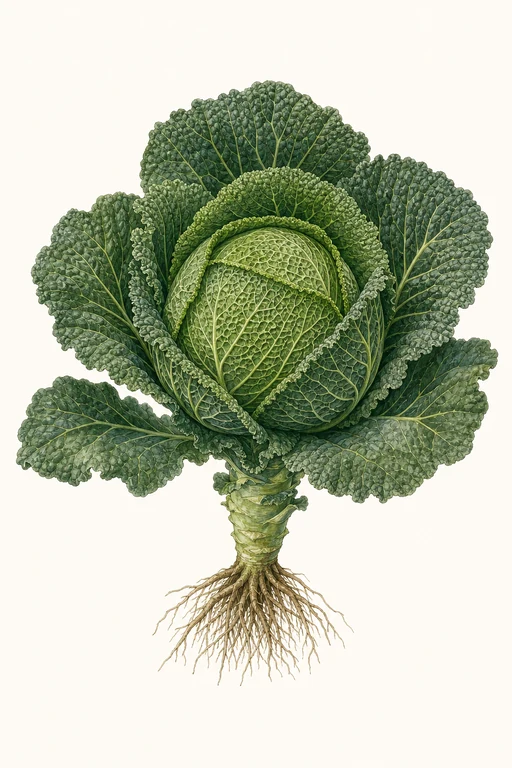
Crisp, savoyed leaves unfurl into a dense, elegant head with a cool, ocean-green glow and a finely quilted texture that feels almost velvety to the eye.
“Vertus” develops with steady confidence—tight, uniform curds and a mild, sweet-green flavor that shines in fresh salads and becomes especially expressive when lightly cooked into comforting dishes. A dependable 85-day choice for gardeners who want a handsome winter-ready cabbage with standout surface beauty and satisfying crunch.
Light: Full SunMaturity: 85 DaysHabit: Rosette
Location not set yet
Location not set yet
Enter your ZIP for local crop dates
Vertus Planting Dates by USDA Zone
Estimated US hardiness-zone windows for sow, transplant, and harvest. Enter a US ZIP above for exact local dates, or open a zone below.
| Zone | Start Indoors | Sow / Transplant | Harvest |
|---|---|---|---|
| Zone 1a | Protected Environment Only | ||
| Zone 1b | Protected Environment Only | ||
| Zone 2a | Apr 27th | May 25th | Aug 18th – Aug 29th |
| Zone 2b | Apr 17th | May 15th | Aug 8th – Aug 25th |
| Zone 3a | Apr 17th | May 15th | Aug 8th – Sep 1st |
| Zone 3b | Apr 21st | May 19th | Aug 12th – Sep 21st |
| Zone 4a | Apr 17th | May 15th | Aug 8th – Sep 24th |
| Zone 4b | Apr 15th | May 13th | Aug 6th – Sep 27th |
| Zone 5a | Apr 10th | May 8th | Aug 1st – Sep 30th |
| Zone 5b | Apr 6th | May 4th | Jul 28th – Oct 5th |
| Zone 6a | Apr 3rd | May 1st | Jul 25th – Oct 10th |
| Zone 6b | Mar 28th | Apr 25th | Jul 19th – Oct 16th |
| Zone 7a | Mar 23rd | Apr 20th | Jul 14th – Oct 20th |
| Zone 7b | Mar 13th | Apr 10th | Jul 4th – Oct 28th |
| Zone 8a | Mar 4th | Apr 1st | Jun 25th – Nov 5th |
| Zone 8b | Feb 23rd | Mar 23rd | Jun 16th – Nov 12th |
| Zone 9a | Feb 6th | Mar 6th | May 30th – Nov 26th |
| Zone 9b | Jan 12th | Feb 9th | May 5th – Dec 9th |
| Zone 10a | — | Oct 1st | Dec 25th – Feb 28th |
| Zone 10b | — | Oct 1st | Dec 25th – Feb 28th |
| Zone 11a | — | Oct 1st | Dec 25th – Feb 28th |
| Zone 11b | — | Oct 1st | Dec 25th – Feb 28th |
| Zone 12a | — | Oct 1st | Dec 25th – Feb 28th |
| Zone 12b | — | Oct 1st | Dec 25th – Feb 28th |
| Zone 13a | — | Oct 1st | Dec 25th – Feb 28th |
| Zone 13b | — | Oct 1st | Dec 25th – Feb 28th |
Crop Details
| Trait | Value |
|---|---|
| Days to Maturity | 85 |
| Sun Requirements | Full Sun |
| Growth Habit | Rosette |
| Support Needed | None |
| Planting Depth | Normal |
| Germination Temp (°F) | 45 |
| Min Soil Temp (°F) | 40 |
| Min Night Temp (°F) | 32 |
| Harden Off (days) | 6 |
Culinary Notes

Chef's Note
Vertus is a savoyed, tight-curd cabbage that tastes more like clean, sweet greens than harsh brassica—built for crunch in raw slaws and for quick, shallow heat where the leaf stays textured. Under gentle cooking, the ridged surfaces drink up butter-vinegar or mustard-based sauces instead of collapsing into cabbage soup.

Best Uses
- shredded slaw with a vinegar-lime dressing for a snappy bite
- quick sauté and deglaze (fast wilt, not mush)
- lightly braised wedges where the savoy texture soaks up sauce
- rustic cabbage rolls where the leaves stay pliable without turning wet

Flavor Profile

Kitchen Pairings
Frequently Asked Questions
What’s the most common disease pest issue for Brassica oleracea var. capitata (cabbage) and how can I prevent it?
How often should I water Brassica oleracea var. capitata during peak head growth (about weeks 4–8 after transplanting)?
How do I tell when Brassica oleracea var. capitata is ready to harvest at ~85 days?
Sowing Tips

Transplant Conditions
Wait until soil reaches 40°F and nights stay above 32°F before moving outdoors. Harden off for 6 days first.
Expert Note

For sweet, tender heads, keep soil evenly moist and transplant into cool weather so plants form heads before midsummer heat spikes.