
Vesuvius
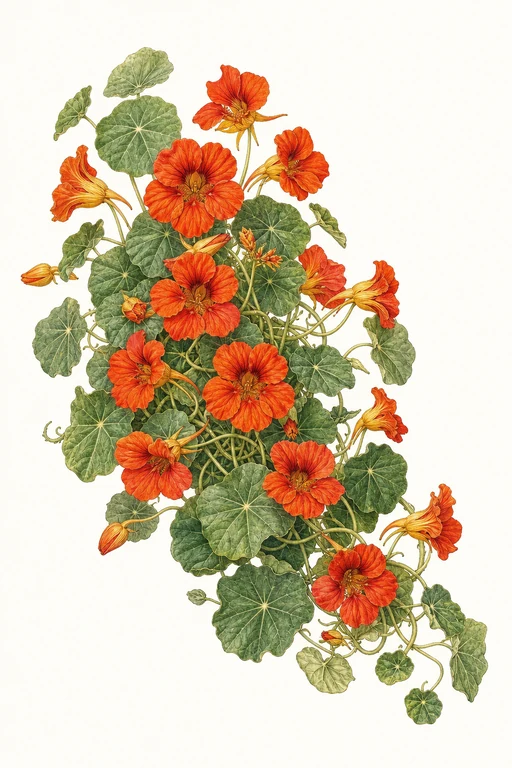
Like a burst of sunset on a green curtain, Vesuvius nasturtium blooms in vivid, flame-bright tones with a peppery snap that livens every garden stroll.
The flowers are tender and succulent, with a crisp, juicy texture and a lively bite that shines in fresh arrangements and vibrant garnishes. Grow Vesuvius for abundant edible blossoms in about 40 days—an easy, showy favorite that turns beds and containers into living color.
Light: Full SunMaturity: 40 DaysHabit: Bush
Location not set yet
Location not set yet
Enter your ZIP for local crop dates
Vesuvius Planting Dates by USDA Zone
Estimated US hardiness-zone windows for sow, transplant, and harvest. Enter a US ZIP above for exact local dates, or open a zone below.
| Zone | Start Indoors | Sow / Transplant | Harvest |
|---|---|---|---|
| Zone 1a | Protected Environment Only | ||
| Zone 1b | Direct Sow | Jun 1st | Jul 11th – Aug 1st |
| Zone 2a | Direct Sow | May 25th | Jul 4th – Aug 29th |
| Zone 2b | Direct Sow | May 15th | Jun 24th – Aug 25th |
| Zone 3a | Direct Sow | May 15th | Jun 24th – Sep 1st |
| Zone 3b | Direct Sow | May 19th | Jun 28th – Sep 21st |
| Zone 4a | Direct Sow | May 15th | Jun 24th – Sep 24th |
| Zone 4b | Direct Sow | May 13th | Jun 22nd – Sep 27th |
| Zone 5a | Direct Sow | May 8th | Jun 17th – Sep 30th |
| Zone 5b | Direct Sow | May 4th | Jun 13th – Oct 5th |
| Zone 6a | Direct Sow | May 1st | Jun 10th – Oct 10th |
| Zone 6b | Direct Sow | Apr 25th | Jun 4th – Oct 16th |
| Zone 7a | Direct Sow | Apr 20th | May 30th – Oct 20th |
| Zone 7b | Direct Sow | Apr 10th | May 20th – Oct 28th |
| Zone 8a | Direct Sow | Apr 1st | May 11th – Nov 5th |
| Zone 8b | Direct Sow | Mar 23rd | May 2nd – Nov 12th |
| Zone 9a | Direct Sow | Mar 6th | Apr 15th – Nov 26th |
| Zone 9b | Direct Sow | Feb 9th | Mar 21st – Dec 9th |
| Zone 10a | — | Oct 1st | Nov 10th – Feb 28th |
| Zone 10b | — | Oct 1st | Nov 10th – Feb 28th |
| Zone 11a | — | Oct 1st | Nov 10th – Feb 28th |
| Zone 11b | — | Oct 1st | Nov 10th – Feb 28th |
| Zone 12a | — | Oct 1st | Nov 10th – Feb 28th |
| Zone 12b | — | Oct 1st | Nov 10th – Feb 28th |
| Zone 13a | — | Oct 1st | Nov 10th – Feb 28th |
| Zone 13b | — | Oct 1st | Nov 10th – Feb 28th |
Crop Details
| Trait | Value |
|---|---|
| Days to Maturity | 40 |
| Sun Requirements | Full Sun |
| Growth Habit | Bush |
| Support Needed | None |
| Planting Depth | Normal |
| Germination Temp (°F) | 70 |
| Min Soil Temp (°F) | 50 |
| Min Night Temp (°F) | 35 |
| Harden Off (days) | Not Required |
Culinary Notes

Chef's Note
Vesuvius nasturtium flowers are all about that peppery, juicy snap—add them at the end so they stay crisp and don’t collapse. Their flame-bright color and mild floral edge make them the spicy garnish you actually taste, not just look at.

Best Uses
- scatter over salads as a last-minute crunch bomb
- garnish for tacos, ceviche, and roasted vegetables to wake them up
- fold into soft herb spreads/cream cheese for a spicy floral pop
- float in cocktails or top chilled soups for a vivid edible accent

Flavor Profile

Kitchen Pairings
Frequently Asked Questions
What pest or disease most commonly affects Tropaeolum majus (Vesuvius) and how do I control it?
How often should I water Tropaeolum majus during peak growth (after it establishes)?
How can I tell when Vesuvius nasturtium (Tropaeolum majus) is ready to harvest?
Sowing Tips

Transplant Conditions
Wait until soil reaches 50°F and nights stay above 35°F before moving outdoors.
Expert Note

Direct-sow after frost when soil is warming, and avoid over-fertilizing—nasturtiums flower best in leaner soil.