
Virginia Winesap
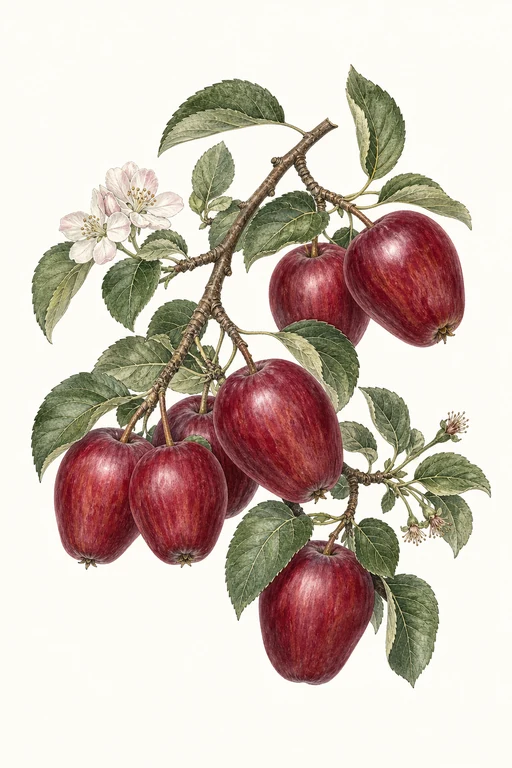
Crisp, wine-sweet fragrance rises from Virginia Winesap’s deep, blushing skin—an alluring blend of tart snap and lingering, honeyed warmth.
The flesh stays fine-grained and juicy, with a satisfying crunch that holds up beautifully from orchard-fresh to cellar-cool storage. Grow this classic Winesap for bold flavor in fresh bowls and for richly colored preserves and spiced cider-style favorites.
Light: Full SunHabit: Shrub
Planting schedules and alerts are optimized for Columbus (Zone 6b).
Crop Dates
| Milestone | Date |
|---|---|
| Start Indoors | Direct Sow |
| Last Frost | Apr 25th |
| Transplant / Sow Outdoors | Apr 18th |
| Harvest Begins | Apr 18th |
| Harvest Ends | Oct 16th |
Crop Details
| Trait | Value |
|---|---|
| Days to Maturity | N/A |
| Sun Requirements | Full Sun |
| Growth Habit | Shrub |
| Support Needed | None |
| Planting Depth | Normal |
| Germination Temp (°F) | 70 |
| Min Soil Temp (°F) | 50 |
| Min Night Temp (°F) | 28 |
| Harden Off (days) | 7 |
Culinary Notes

Chef's Note
Virginia Winesap brings a winey tartness and honeyed heat that stays lively even after simmering, making it a standout for cider-mulled pots and deeply colored preserves. The fine-grained, juicy crunch is built for fresh slicing too—no sad mealy texture when you serve it cold from storage.

Best Uses
- thin slices on sharp cheddar-heavy snack boards (the crunch won’t go mushy quickly)
- spiced cider-style simmering or mulled cider (its tartness keeps the sweetness honest)
- ruby-hued preserves/jam where the apple’s fine-grain texture stays glossy
- baked apple slices with a short caramel bake for a clean, not-gummy bite

Flavor Profile

Kitchen Pairings
Frequently Asked Questions
What pest or disease is most common for Malus domestica (apple) like Virginia Winesap, and how do I treat it at home?
How often should I water Malus domestica during the active growing season, and what soil moisture level should I aim for?
How can I tell when Virginia Winesap apples are ready to harvest (Malus domestica)?
Sowing Tips

Transplant Conditions
Wait until soil reaches 50°F and nights stay above 28°F before moving outdoors. Harden off for 7 days first.
Expert Note

Plant apple trees in full sun with well-drained soil and keep the root crown at soil level for the best establishment.