
Waltham Butternut
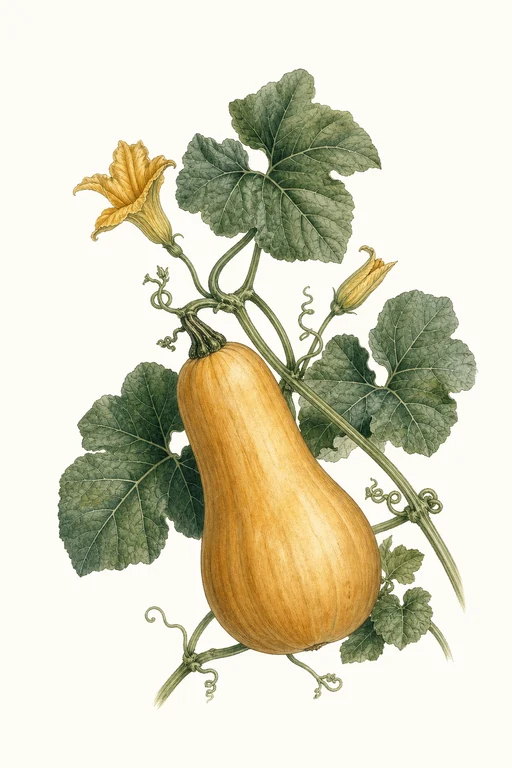
Honey-sweet, deeply aromatic flesh with a rich, silky, spoon-tender texture—Waltham Butternut delivers classic butternut flavor in a dependable 90-day season.
The elongated, tan-gold fruits are easy to handle and roast beautifully, with a naturally smooth consistency that also shines in creamy soups, hearty purees, and savory sauces. Grow it for a long-lasting harvest that turns your garden into a steady supply of comforting, autumn-ready squash.
Light: Full SunMaturity: 90 DaysHabit: Vine
Planting schedules and alerts are optimized for Columbus (Zone 6b).
Crop Dates
| Milestone | Date |
|---|---|
| Start Indoors | Apr 25th |
| Last Frost | Apr 25th |
| Transplant / Sow Outdoors | May 9th |
| Harvest Begins | Aug 7th |
| Harvest Ends | Oct 16th |
Crop Details
| Trait | Value |
|---|---|
| Days to Maturity | 90 |
| Sun Requirements | Full Sun |
| Growth Habit | Vine |
| Support Needed | Trellis |
| Planting Depth | Normal |
| Germination Temp (°F) | 85 |
| Min Soil Temp (°F) | 65 |
| Min Night Temp (°F) | 55 |
| Harden Off (days) | 12 |
Culinary Notes

Chef's Note
Waltham Butternut leans into that honeyed, deeply aromatic butternut character with flesh that collapses into a smooth, spoon-tender purée—ideal for sauces that need body without graininess. Roast it until caramel-edged, then let it melt into soup or mash; it plays especially well with browned fat and assertive aromatics like sage and ginger.

Best Uses
- roast-and-mash with brown butter and sage
- velvety purée for soups (cut with stock, not water)
- thickening base for savory squash bisque and curry-style sauces
- spoonable filling for ravioli/gnocchi fillings

Flavor Profile

Kitchen Pairings
Frequently Asked Questions
What pest or disease is most likely on Cucurbita moschata (Waltham Butternut) and how do I treat it?
How often should I water Waltham Butternut during the main growing phase to avoid fruit issues?
How can I tell when Waltham Butternut (Cucurbita moschata) is ready to harvest?
Sowing Tips

Transplant Conditions
Wait until soil reaches 65°F and nights stay above 55°F before moving outdoors. Harden off for 12 days first.

Direct Sow Preferred
Sensitive roots — does not transplant well. If starting indoors, use biodegradable pots and disturb roots as little as possible when moving outdoors.
Expert Note

Start seeds or transplants only once nights are consistently warm, and give plants lots of space because Waltham Butternut is a heavy vine grower with long-season storage fruit.