
Wee-Be-Little
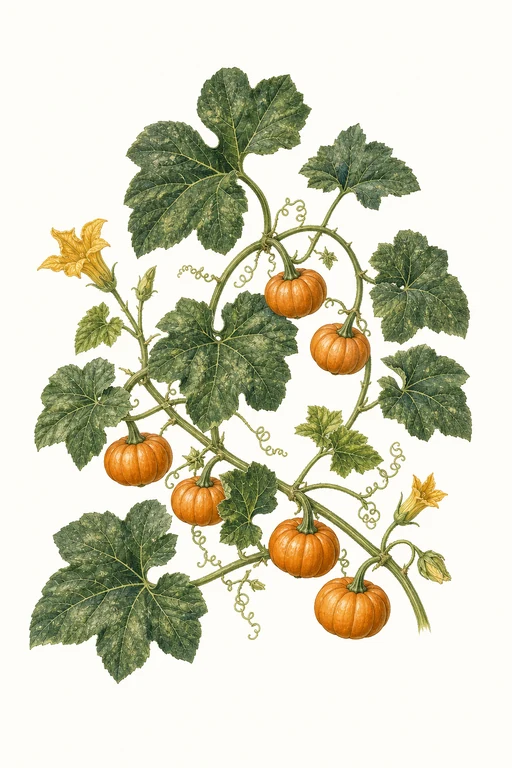
Sweet, compact charm fills the garden with Wee-Be-Little’s miniature pumpkins—deep, velvety orange that seems to glow even in cool light.
The flesh is fine-grained and tender, with a pleasantly sweet, pumpkin-forward flavor that shines in roasted halves, hearty soups, and smooth purées, or when sliced for pies and baked treats. Grow a patch of these pint-size beauties for effortless harvest and standout color that keeps its appeal from vine to centerpiece.
Light: Full SunMaturity: 95 DaysHabit: Bush
Crop Dates : 9a
| Milestone | Date |
|---|---|
| Start Indoors | Feb 20th |
| Last Frost | Mar 6th |
| Transplant / Sow Outdoors | Mar 6th |
| Harvest Begins | Jun 9th |
| Harvest Ends | Nov 26th |
Crop Details
| Trait | Value |
|---|---|
| Days to Maturity | 95 |
| Sun Requirements | Full Sun |
| Growth Habit | Bush |
| Support Needed | None |
| Planting Depth | Normal |
| Germination Temp (°F) | 85 |
| Min Soil Temp (°F) | 70 |
| Min Night Temp (°F) | 55 |
| Harden Off (days) | 12 |
Culinary Notes

Chef's Note
Wee-Be-Little’s fine-grained, sweet interior roasts into a silky purée instead of getting grainy or stringy, so it behaves like a high-end cooking pumpkin in miniature form. It caramelizes quickly at the edges, which is why it’s so good in pies, soups, and any custard where you want pumpkin flavor to read clearly, not watery.

Best Uses
- roasted halves or wedges until the edges go bronzed and the interior turns silky
- thick winter-soup purée (finished with a little dairy for gloss)
- mini pumpkin pies or baked custards where you want clean, sweet flavor without watery filling
- smooth purée for gnocchi dough or velvety risotto-style rice

Flavor Profile

Frequently Asked Questions
What pest or disease most commonly affects Cucurbita pepo (Wee-Be-Little), and how can I control it?
How often should I water Cucurbita pepo during the main growing phase?
How do I tell when Wee-Be-Little (Cucurbita pepo) is ready to harvest?
Sowing Tips

Transplant Conditions
Wait until soil reaches 70°F and nights stay above 55°F before moving outdoors. Harden off for 12 days first.

Direct Sow Preferred
Sensitive roots — does not transplant well. If starting indoors, use biodegradable pots and disturb roots as little as possible when moving outdoors.
Expert Note

Because cucurbits root poorly if disturbed, sow outdoors (or transplant only in a very small window) once soil is warm and nights are reliably mild.