
Whippoorwill
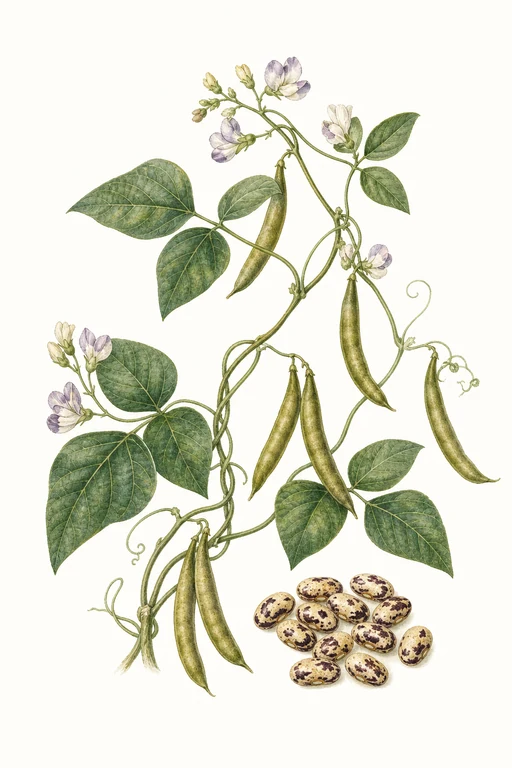
A velvet-smooth, creamy interior cradles a rich, earthy-sweet flavor in Whippoorwill cowpea—pods that mature with a poised, speckled elegance and beans that cook up tender without losing their gentle bite.
Expect a satiny texture that shines in hearty potfuls and bright, garden-fresh preparations alike, with a depth that makes every spoonful feel satisfying. Grow Whippoorwill for a warm-season harvest that’s as rewarding to grow as it is to savor—ideal for gardeners who love dependable, flavorful legumes.
Light: Full SunMaturity: 65 DaysHabit: Bush
Planting schedules and alerts are optimized for Columbus (Zone 6b).
Crop Dates
| Milestone | Date |
|---|---|
| Start Indoors | Direct Sow |
| Last Frost | Apr 25th |
| Transplant / Sow Outdoors | Apr 25th |
| Harvest Begins | Jun 29th |
| Harvest Ends | Oct 16th |
Crop Details
| Trait | Value |
|---|---|
| Days to Maturity | 65 |
| Sun Requirements | Full Sun |
| Growth Habit | Bush |
| Support Needed | None |
| Planting Depth | Normal |
| Germination Temp (°F) | 75 |
| Min Soil Temp (°F) | 65 |
| Min Night Temp (°F) | 60 |
| Harden Off (days) | Not Required |
Culinary Notes

Chef's Note
Whippoorwill cowpeas are built for that moment when beans stay tender but still hold a gentle bite—then the interior turns satiny in a simmer. Use them in spoon-thick potfuls or warm salads where their earthy sweetness can mingle with smoke, greens, and bright citrus without tasting flat.

Best Uses
- simmered cowpea pot likker with smoked fat and herbs
- quick-cook sautés where the beans keep their bite (no mush)
- thickened bean stews and braises for spoonable body
- warm bean salads dressed while still slightly warm for clingy creaminess

Flavor Profile

Kitchen Pairings
Frequently Asked Questions
What pest or disease commonly affects cowpeas (Vigna unguiculata), and how can I manage it in a home garden?
How often should I water cowpeas (Vigna unguiculata) during the main growing phase?
How do I tell when cowpeas (Vigna unguiculata) are ready to harvest?
Sowing Tips

Transplant Conditions
Wait until soil reaches 65°F and nights stay above 60°F before moving outdoors.
Expert Note

For best cowpea stand and drought performance, sow into warm soil after frost danger, keep watering light until seedlings establish, then let them work with drier conditions.