
White Castle
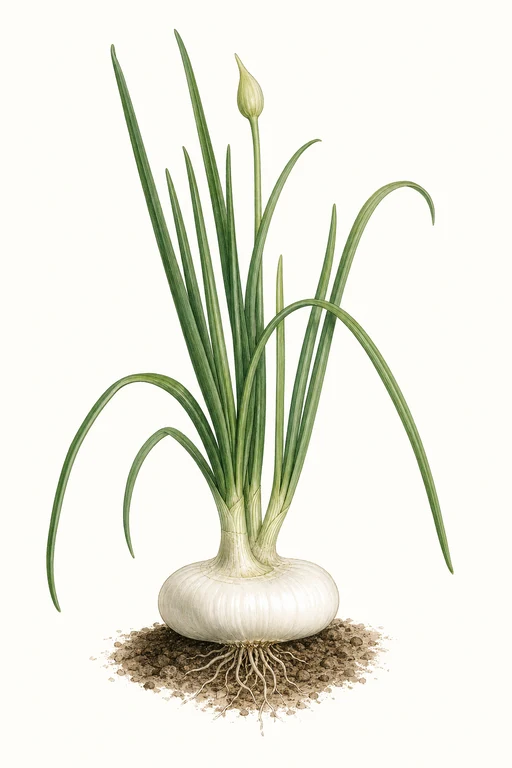
Sweetly mild and serenely aromatic, White Castle onions develop into crisp, snow-white bulbs with a clean, glassy skin that peels away in satisfying layers.
The flesh is tender and juicy, offering a gentle bite that shines in fresh applications and rewards slow roasting until mellow and golden. Grow White Castle for a dependable 120-day season and a harvest that stores with confidence for weeks of flavorful versatility.
Light: Full SunMaturity: 120 DaysHabit: Bulbing
Crop Dates : 2a
| Milestone | Date |
|---|---|
| Last Frost | May 25th |
| Growing Approach | Protected Environment Only |
Crop Details
| Trait | Value |
|---|---|
| Days to Maturity | 120 |
| Sun Requirements | Full Sun |
| Growth Habit | Bulbing |
| Support Needed | None |
| Planting Depth | Normal |
| Germination Temp (°F) | 65 |
| Min Soil Temp (°F) | 45 |
| Min Night Temp (°F) | 35 |
| Harden Off (days) | 7 |
Culinary Notes

Chef's Note
White Castle is built for the “don’t overwhelm me” kind of onion—tender, juicy, and sweetly mild, so it stays crisp raw and turns silky without going acrid. Roast it low and slow until golden and it becomes almost custardy inside, perfect for letting butter, thyme, and cheese do the talking.

Best Uses
- raw shaved salad or slaws where the layers stay snappy
- caramelized onions that stay creamy rather than sharp
- slow-roasted wedges for a jammy, golden core
- thin-sliced onion rings or batter frying for a gentle sweetness

Flavor Profile

Kitchen Pairings
Frequently Asked Questions
What pest or disease commonly affects Allium cepa (white onions), and how can I control it?
How often should I water Allium cepa during the main growing phase, and what soil moisture target should I maintain?
How do I know when white onions (Allium cepa) are ready to harvest?
Sowing Tips

Transplant Conditions
Wait until soil reaches 45°F and nights stay above 35°F before moving outdoors. Harden off for 7 days first.
Expert Note

For sweet caramelizing onions, keep soil evenly moist and avoid nitrogen-heavy feed once bulbs begin swelling.