
Wild Sorrel
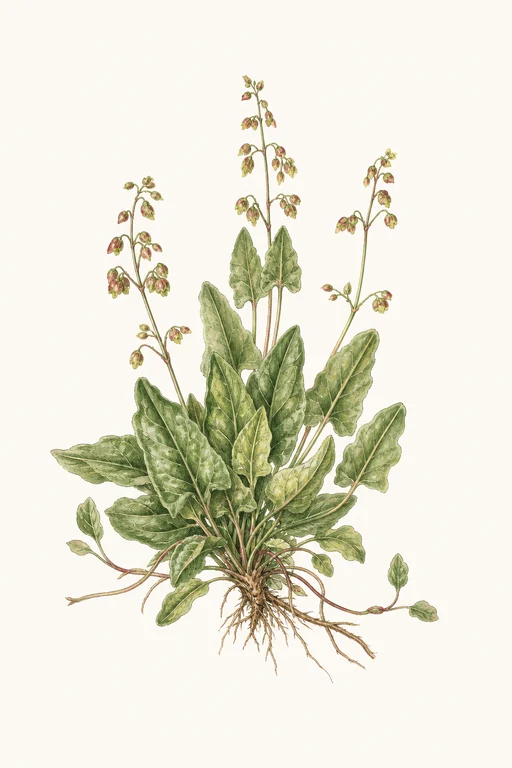
Tart as a fresh-bright breeze, Wild Sorrel delivers a lively, lemony tang with a tender, succulent leaf texture that feels crisp and clean in the garden.
Harvest at peak youth for the most delicate bite—its flavor stays vivid whether you’re spooning it into quick pan sauces, folding it into springtime mixtures, or pickling for a sharp, tang-forward accent. A dependable perennial for home gardeners, it returns year after year with an eager, upright growth habit that makes every bed feel newly green.
Light: Part SunMaturity: 35 DaysHabit: Rosette
Planting schedules and alerts are optimized for Columbus (Zone 6b).
Crop Dates
| Milestone | Date |
|---|---|
| Start Indoors | Direct Sow |
| Last Frost | Apr 25th |
| Transplant / Sow Outdoors | Apr 25th |
| Harvest Begins | May 30th |
| Harvest Ends | Oct 16th |
Crop Details
| Trait | Value |
|---|---|
| Days to Maturity | 35 |
| Sun Requirements | Part Sun |
| Growth Habit | Rosette |
| Support Needed | None |
| Planting Depth | Normal |
| Germination Temp (°F) | 60 |
| Min Soil Temp (°F) | 45 |
| Min Night Temp (°F) | 28 |
| Harden Off (days) | Not Required |
Culinary Notes

Chef's Note
Wild Sorrel hits with a brisk, lemon-like tang and a gentle, succulent leaf texture—best when kept young so it stays crisp rather than harsh. It loves richness (butter/cream, eggs) to soften the bite, while still delivering that clean, sharp finish.

Best Uses
- quick wilt into butter for a fast pan sauce that stays tang-forward
- fold into spring salad or mixed greens for a crisp, citrusy bite
- simmer into a spoonable soup base (potato-broth style) for vivid sourness
- pickle or preserve for a punchy, palate-cleansing condiment

Flavor Profile

Kitchen Pairings
Frequently Asked Questions
Why are my wild sorrel leaves developing holes or a lace-like pattern, and what should I do?
How often should I water wild sorrel during its main growth to keep it thriving?
How can I tell when wild sorrel is ready to harvest?
Sowing Tips

Transplant Conditions
Wait until soil reaches 45°F and nights stay above 28°F before moving outdoors.
Expert Note

For wild sorrel, sow where it will grow long-term (it forms a small, sensitive root system), keeping the soil evenly moist until established.