
Winekist
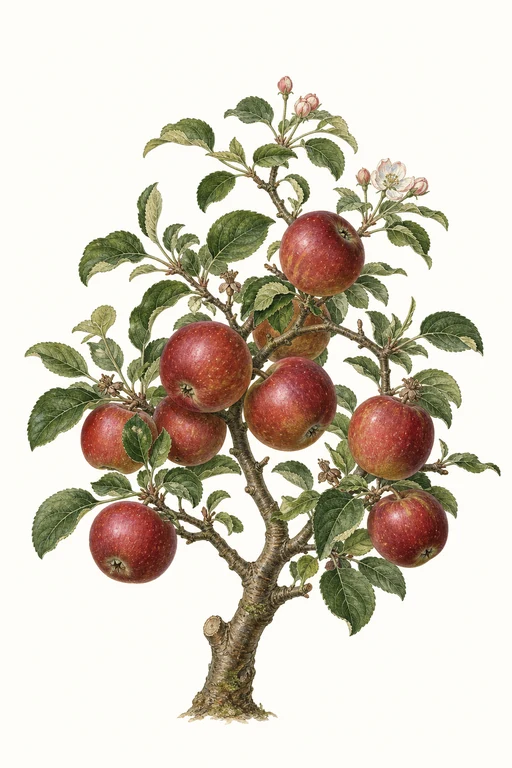
Aromatic and richly perfumed, Winekist apples bring a crisp, juicy snap with a balanced sweetness that feels bright at first bite and lingers with a gentle, winey depth.
The flesh is fine-grained and satisfying—firm enough to hold its character, yet tender and refreshing for everyday enjoyment. Grow Winekist for a standout home orchard apple that shines in fresh eating and also performs beautifully in cider, sauces, and preserves.
Light: Full SunMaturity: 180 DaysHabit: Shrub
Planting schedules and alerts are optimized for Columbus (Zone 6b).
Crop Dates
| Milestone | Date |
|---|---|
| Last Frost | Apr 25th |
| Growing Approach | Protected Environment Only |
Crop Details
| Trait | Value |
|---|---|
| Days to Maturity | 180 |
| Sun Requirements | Full Sun |
| Growth Habit | Shrub |
| Support Needed | None |
| Planting Depth | Normal |
| Germination Temp (°F) | 65 |
| Min Soil Temp (°F) | 50 |
| Min Night Temp (°F) | 40 |
| Harden Off (days) | 7 |
Culinary Notes

Chef's Note
Winekist’s fine-grained crunch holds up longer than many tender dessert apples, so it stays crisp in salads and doesn’t collapse into mush when gently heated. That subtle winey aroma makes it especially good for cider, plus it perfumes the pot in compotes and preserves without turning cloying.

Best Uses
- fresh eating—especially chilled slices that keep their snap
- cider and hard-cider blending for a fragrant, lightly tangy profile
- shallow-cook compote or sautéed apple for a glossy, tender-but-not-mushy spoonful
- preserves where the winey aroma shows through in jam or jelly

Flavor Profile

Kitchen Pairings
Frequently Asked Questions
What pests or diseases commonly affect Malus domestica (apple) and how can I manage them at home?
How often should I water Malus domestica during the main growing phase (spring through summer)?
How do I know when Malus domestica ‘Winekist’ apples are ready to harvest?
Sowing Tips

Transplant Conditions
Wait until soil reaches 50°F and nights stay above 40°F before moving outdoors. Harden off for 7 days first.
Expert Note

For the best fruit set and long-term tree health, plant in full sun with well-drained soil and include a compatible pollinator apple nearby.