
Wrinkled Crinkled Crumpled
A peppery, garden-bright bite greets you first, then unfolds into a tender, juicy leaf with a wonderfully crinkled, crumpled texture that clings to flavor.
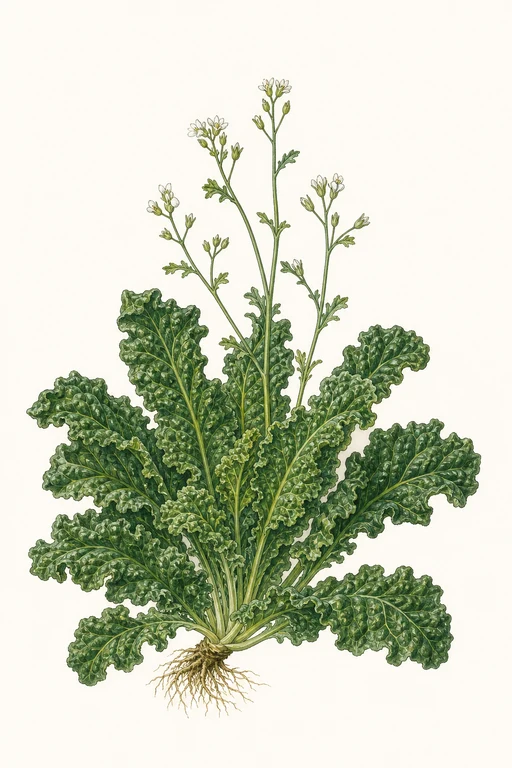
“Wrinkled Crinkled Crumpled” matures in about 35 days, forming an upright, leafy rosette that stays lively and flavorful as it fills out. Ideal for fresh salads and quick garnishes, its lively greens also shine in sauces and wilted greens where its distinctive texture adds character.
Light: Part SunMaturity: 35 DaysHabit: Rosette
Planting schedules and alerts are optimized for Columbus (Zone 6b).
Crop Dates
| Milestone | Date |
|---|---|
| Start Indoors | Direct Sow |
| Last Frost | Apr 25th |
| Transplant / Sow Outdoors | Apr 18th |
| Harvest Begins | May 23rd |
| Harvest Ends | Oct 16th |
Crop Details
| Trait | Value |
|---|---|
| Days to Maturity | 35 |
| Sun Requirements | Part Sun |
| Growth Habit | Rosette |
| Support Needed | None |
| Planting Depth | Normal |
| Germination Temp (°F) | 45 |
| Min Soil Temp (°F) | 40 |
| Min Night Temp (°F) | 35 |
| Harden Off (days) | 5 |
Culinary Notes

Chef's Note
This upland cress brings a fast, peppery jolt with juicy tenderness—those crumpled leaves are built to cling to vinaigrette instead of sliding off. Use it hot for a brief wilt or cold as a garnish where its texture and mustardy edge stay loud and clean.

Best Uses
- raw: toss into salads where the greens can stay assertively peppery
- as a high-impact garnish on soups, beans, and roasted veg—eat it immediately for best snap
- quick sauté/wilt in hot butter or olive oil until just glossy—leave a little bite
- fold into green sauces (blended or chopped) for a textured, tangy lift

Flavor Profile

Kitchen Pairings
Frequently Asked Questions
What pest or disease problem commonly affects Barbarea verna (upland cress), and how can I control it at home?
How often should I water Barbarea verna during its main growing phase, and what soil moisture level should I maintain?
How do I know when Barbarea verna is ready to harvest?
Sowing Tips

Transplant Conditions
Wait until soil reaches 40°F and nights stay above 35°F before moving outdoors. Harden off for 5 days first.
Expert Note

Sow or transplant in cool weather and keep soil consistently moist to maximize tender, savory leaves.