
Yukon Gem
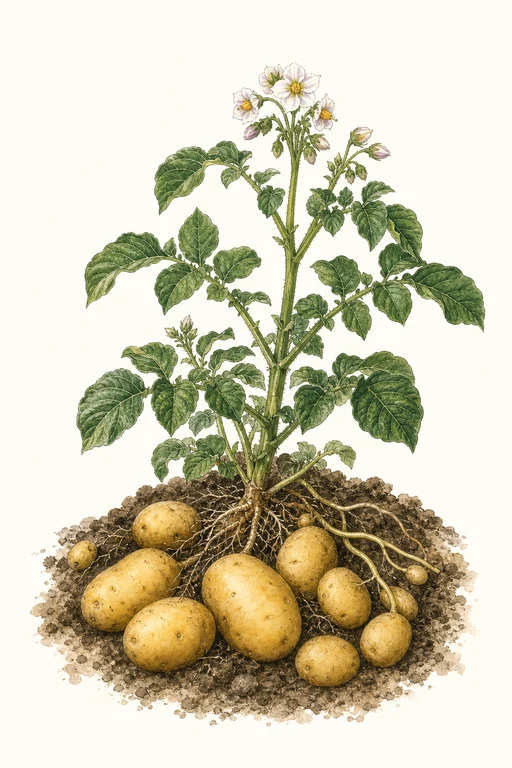
Buttery-gold Yukon Gem tubers emerge with a luminous, sunlit glow—smooth-skinned and wonderfully even in shape.
Their flesh is tender and creamy-textured, delivering a rich, mellow flavor that shines when roasted to a caramelized edge, mashed into silky comfort, or simmered into hearty sauces and soups. A dependable 90-day choice for gardeners who want dependable harvest quality with a classic Yukon Gold market character.
Light: Full SunMaturity: 90 DaysHabit: Spreading
Crop Dates : 4b
| Milestone | Date |
|---|---|
| Start Indoors | Direct Sow |
| Last Frost | May 13th |
| Transplant / Sow Outdoors | May 13th |
| Harvest Begins | Aug 11th |
| Harvest Ends | Sep 27th |
Crop Details
| Trait | Value |
|---|---|
| Days to Maturity | 90 |
| Sun Requirements | Full Sun |
| Growth Habit | Spreading |
| Support Needed | None |
| Planting Depth | Normal |
| Germination Temp (°F) | 50 |
| Min Soil Temp (°F) | 45 |
| Min Night Temp (°F) | 35 |
| Harden Off (days) | Not Required |
Culinary Notes

Chef's Note
Yukon Gem is built for comfort: it cooks to a creamy, evenly tender bite without the graininess you sometimes get from starchier spuds. Roast or mash it and it delivers that classic buttery, mellow flavor—especially when you let the surface actually brown.

Best Uses
- roast to crisp, caramelized edges and a creamy center
- mash into a silk-smooth, low-grit puree
- simmer into velvety soups and chowders without turning gluey
- grate and pan-sear for golden rösti that stays tender inside

Flavor Profile

Kitchen Pairings
Frequently Asked Questions
What pest or disease is most common on Solanum tuberosum (potato) in home gardens, and how can I control it?
How often should I water Yukon Gem potatoes during the main growing phase, and what soil moisture level should I keep?
How can I tell when Yukon Gem (Solanum tuberosum) is ready to harvest?
Sowing Tips

Transplant Conditions
Wait until soil reaches 45°F and nights stay above 35°F before moving outdoors.
Expert Note

Plant seed potatoes when soil is workable and consistently warm enough, then hill as plants grow to protect tubers from sun.