SproutSmart
SproutSmart Intelligent Garden Sowing

Calypso Chamomile

Chamomile

Planting Schedule

Add Calypso Chamomile to your garden to build a schedule and get reminders.
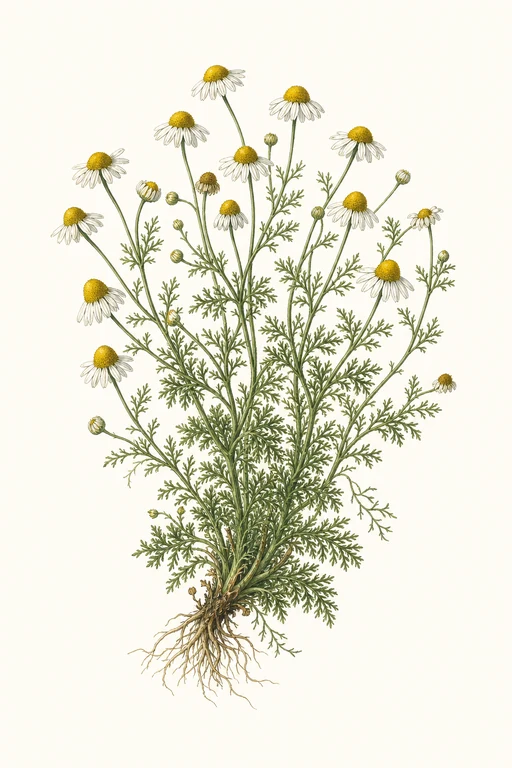
Botanical illustration of Calypso Chamomile
70d to harvest

Aromas of apple-sweet chamomile drift up as the delicate, daisy-like blooms open—fragrant, honeyed, and impossibly calming. Calypso Chamomile forms tidy, branching plants with fine, feathery foliage and abundant flowers that deliver a gentle, floral flavor with a crisp, airy texture. Grow it for soothing herbal infusions and for drying—its blossoms hold their character beautifully for later use in teas and calming blends.

Crop Dates

Growing note: In frost-free Zone 11a, grow this cool-season crop during the cooler dry season (October–February).
MilestoneDate
Start Indoors
ClimateFrost-Free Climate
Transplant / Sow OutdoorsOct 1st
Harvest BeginsDec 10th
Harvest EndsFeb 28th

Crop Details

TraitValue
Days to Maturity70
Sun RequirementsFull SunFull sun
Growth HabitUpright
Support NeededNone
Planting DepthSurface
Germination Temp (°F)65
Min Soil Temp (°F)40
Min Night Temp (°F)35
Harden Off (days)7

Frequently Asked Questions


What pest or disease problem most often affects Matricaria chamomilla (German chamomile), and how do I treat it?
German chamomile (Matricaria chamomilla) commonly suffers from powdery mildew in warm, humid conditions. Improve airflow by spacing plants and watering the soil (not the foliage), then spray an appropriate labeled fungicide for powdery mildew if infection is starting to spread. Remove the most heavily affected leaves early to slow further mildew buildup.
How often should I water Matricaria chamomilla during its main growing phase?
During the main growth phase, keep the soil evenly moist but not waterlogged—aim for consistent moisture in the top few inches as plants establish. Water about 1–2 times per week depending on heat and soil, increasing frequency during hot spells and reducing it if the soil stays damp. Avoid soaking the crown because chamomile is prone to stress when roots sit in saturated soil.
Botanical illustration of Calypso Chamomile

Aromas of apple-sweet chamomile drift up as the delicate, daisy-like blooms open—fragrant, honeyed, and impossibly calming. Calypso Chamomile forms tidy, branching plants with fine, feathery foliage and abundant flowers that deliver a gentle, floral flavor with a crisp, airy texture. Grow it for soothing herbal infusions and for drying—its blossoms hold their character beautifully for later use in teas and calming blends.