SproutSmart
SproutSmart Intelligent Garden Sowing

Ratte

Potato
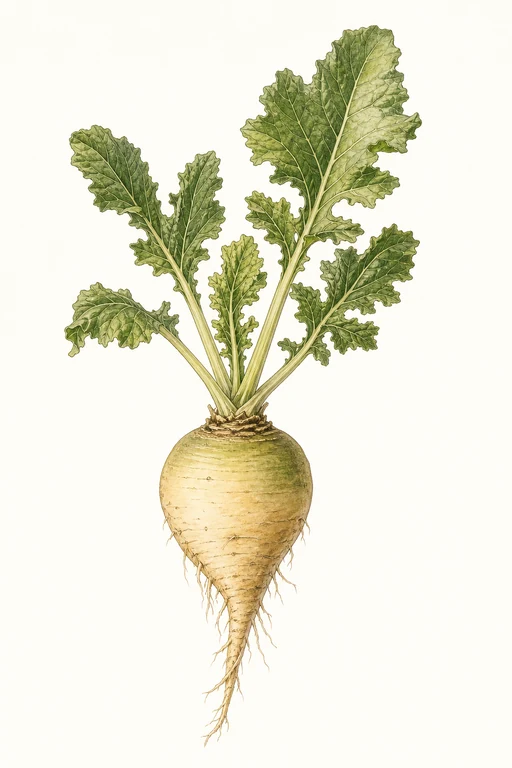
Botanical illustration of Ratte
🌱 85d to harvest Spreading

Silky-smooth and delicately nutty, Ratte fingerlings bring a buttery, earthy flavor that feels especially vivid when warmed—each …

Planting Schedule

Add Ratte to your garden to build a schedule and get reminders.

Crop Dates

Growing note: Frost-free Zone 11a supports continuous outdoor production.
MilestoneDate
ClimateFrost-Free Climate
Growing ApproachContinuous Production

Crop Details

TraitValue
Days to Maturity85
Sun RequirementsFull SunFull sun
Growth HabitSpreading
Support NeededNone
Planting DepthNormal
Germination Temp (°F)50
Min Soil Temp (°F)45
Min Night Temp (°F)28
Harden Off (days)Not Required

Frequently Asked Questions


How do I prevent and treat late blight on potato (Solanum tuberosum) like Ratte?
Late blight shows as dark, water-soaked spots on leaves that quickly spread, often followed by a grayish fungal growth on the underside. Remove and destroy infected foliage immediately, and avoid watering the leaves—water at the soil line and keep plants well hilled to protect tubers. If the problem is starting or recurring in your area, use a labeled late-blight fungicide early and repeat according to the label schedule (don’t wait for full collapse).
How often should I water Ratte potatoes during their main growing phase?
During active tuber bulking (roughly mid-season to about 70–80% of the way to maturity), keep soil consistently moist but not soggy—aim for about 1 inch of water per week, adjusted for rain and heat. Let the top inch of soil dry slightly between waterings, because waterlogged Solanum tuberosum can invite tuber rots. Maintain steady moisture; letting the soil swing between dry and wet can reduce yields and cause misshapen tubers.
How can I tell when Ratte potatoes are ready to harvest?
Start checking for “new potatoes” around 60 days, but for full-size Ratte tubers wait closer to the 85-day maturity. They’re ready when the plants begin to yellow and flop, and the tuber skins feel firm and won’t rub off easily when you gently dig one up. Harvest on a dry day, then cure the tubers at cool, humid conditions for about 1–2 weeks to toughen skins for storage.
Botanical illustration of Ratte

Silky-smooth and delicately nutty, Ratte fingerlings bring a buttery, earthy flavor that feels especially vivid when warmed—each slender tuber holds its shape with a tender, creamy bite. The skins are thin and beautifully mottled, with a warm golden-brown base and subtle russet speckling that makes every harvest look like a small treasure. Grow Ratte for roasting and pan-browning, or for fresh, elegant slices that shine in simple preparations and rustic sauces.