SproutSmart
SproutSmart Intelligent Garden Sowing

Thai Basil

Basil

Planting Schedule

Add Thai Basil to your garden to build a schedule and get reminders.
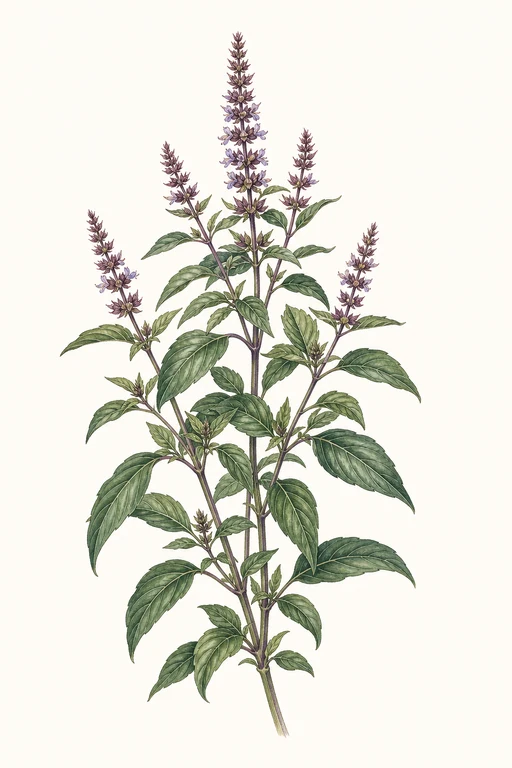
Botanical illustration of Thai Basil
60d to harvest

Aromatic and vivid from the first pinch—Thai Basil carries a bright, anise-citrus lift with a peppery basil backbone that lingers like fresh green perfume. At maturity, the foliage forms an upright, richly textured mass of tender leaves with a crisp, slightly succulent bite, ideal for stirring into fragrant dishes and finishing sauces. Grow Thai Basil for its bold flavor character and its steady, harvest-ready growth through the season.

Crop Dates

Growing note: In frost-free Zone 11a, grow this cool-season crop during the cooler dry season (October–February).
MilestoneDate
Start Indoors
ClimateFrost-Free Climate
Transplant / Sow OutdoorsOct 1st
Harvest BeginsNov 30th
Harvest EndsFeb 28th

Crop Details

TraitValue
Days to Maturity60
Sun RequirementsFull SunFull sun
Growth HabitUpright
Support NeededNone
Planting DepthNormal
Germination Temp (°F)70
Min Soil Temp (°F)60
Min Night Temp (°F)50
Harden Off (days)10

Frequently Asked Questions


What’s a common pest or disease on Ocimum basilicum (Thai basil) and how do I control it fast?
Downy mildew can affect basil quickly, especially when nights are cool and leaves stay wet; look for yellow patches on top and gray/purple growth on the underside. Remove badly affected leaves immediately, water only at the base (not on foliage), and increase airflow by spacing plants and pruning lightly for an open canopy. If it keeps spreading, use a labeled fungicide for basil/downy mildew and repeat according to the label after 5–7 days.
How often should I water Thai basil during the main growing phase?
During active growth (after plants are established and until harvest), keep soil evenly moist but not soggy—aim for the top 1 inch to dry slightly before watering again. In full sun, this often means watering about 1–2 times per week, but adjust based on heat; hot, windy conditions may require more frequent watering. Always water at soil level to prevent leaf wetness that triggers fungal problems in Ocimum basilicum.
Botanical illustration of Thai Basil

Aromatic and vivid from the first pinch—Thai Basil carries a bright, anise-citrus lift with a peppery basil backbone that lingers like fresh green perfume. At maturity, the foliage forms an upright, richly textured mass of tender leaves with a crisp, slightly succulent bite, ideal for stirring into fragrant dishes and finishing sauces. Grow Thai Basil for its bold flavor character and its steady, harvest-ready growth through the season.