SproutSmart
SproutSmart Intelligent Garden Sowing

Blue Hopi

Corn
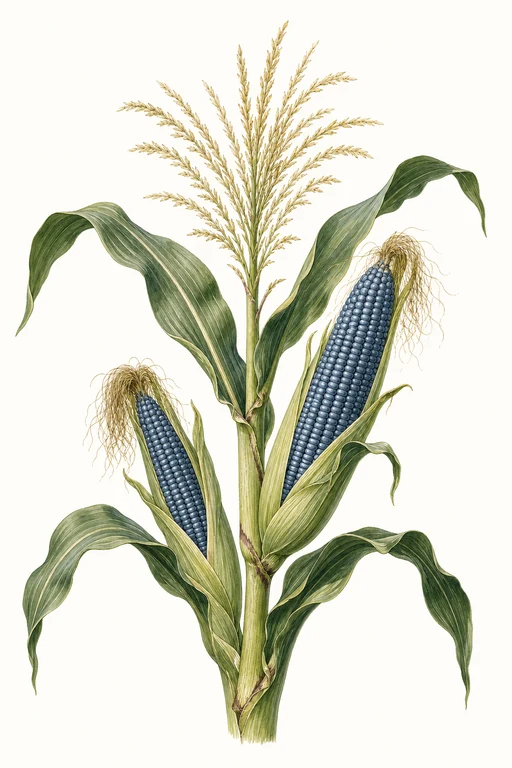
Botanical illustration of Blue Hopi
🌱 85d to harvest Upright

Sink your teeth into Blue Hopi’s richly nutty, floury kernels—an alluring blend of cool blue tones and warm, earthy sweetness tha…

Planting Schedule

Add Blue Hopi to your garden to build a schedule and get reminders.

Crop Dates

MilestoneDate
Start IndoorsDirect Sow
Last FrostJan 1st
Transplant / Sow OutdoorsJan 1st
Harvest BeginsMar 27th
Harvest EndsDec 31st

Crop Details

TraitValue
Days to Maturity85
Sun RequirementsFull SunFull sun
Growth HabitUpright
Support NeededNone
Planting DepthNormal
Germination Temp (°F)60
Min Soil Temp (°F)60
Min Night Temp (°F)50
Harden Off (days)Not Required

Frequently Asked Questions


Why are my Blue Hopi plants getting powdery white patches on the leaves, and what should I do?
Powdery mildew is common on squashes like Blue Hopi, showing up as a white, floury film on older leaves in warm, humid stretches. Remove the worst affected leaves early, improve airflow (thin crowded foliage and keep leaves off the soil), and spray a labeled sulfur-based fungicide or potassium bicarbonate as soon as spots appear, repeating per label intervals. Avoid overhead watering so the canopy dries quickly between morning and midday.
How often should I water Blue Hopi during the main growing phase (once it’s established)?
During flowering and fruit set, keep the soil evenly moist but not waterlogged—about 1 inch (2.5 cm) per week total, adjusted for heat and rainfall. Water deeply 1–2 times per week rather than daily, aiming water at the soil under the canopy; the top 1 inch should dry slightly between waterings. If leaves wilt at midday but perk up by evening, increase watering frequency slightly without soaking the roots.
How can I tell when Blue Hopi is ready to harvest?
Harvest when the pods develop into mature, hard, “dry” blue kernels inside the husk—around 85 days from sowing—when the plant’s foliage starts to yellow and dry. The easiest check is the seed: kernels should be firm and fully colored (not soft or dentable with a fingernail). Leave pods on the plant a bit longer if needed for the kernels to harden, then cure by drying in a warm, airy spot before storing.
Botanical illustration of Blue Hopi

Sink your teeth into Blue Hopi’s richly nutty, floury kernels—an alluring blend of cool blue tones and warm, earthy sweetness that feels velvety in the bowl. At maturity, the cobs develop a dense, medium-to-large ear with a satisfying, tender bite that grinds beautifully into fine flour for everyday baking and thickening. Grow this heritage flour corn for a striking harvest and a distinctive, storied flavor that turns simple meals into something memorable.

Sowing Tips

Transplant Conditions

Wait until soil reaches 60°F and nights stay above 50°F before moving outdoors.

Expert Note

Corn is wind-pollinated—plant in blocks (not rows) and keep soil evenly moist during tassel/silk for best ear fill.