SproutSmart
SproutSmart Intelligent Garden Sowing

Giant Noble

Spinach
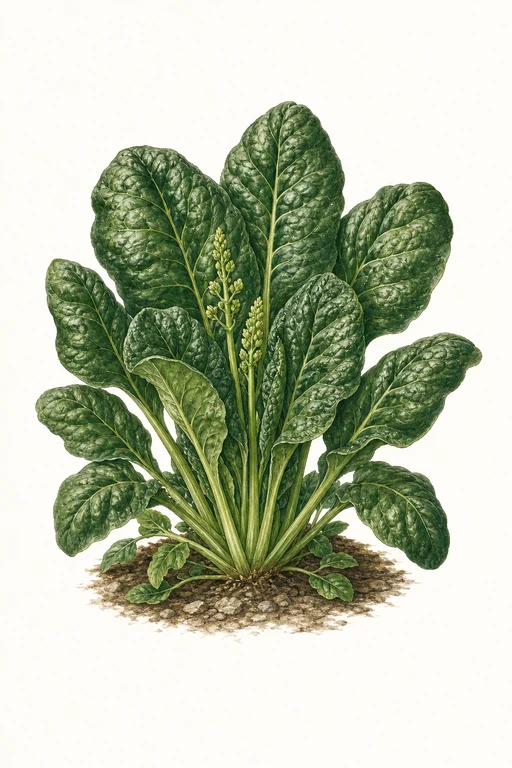
Botanical illustration of Giant Noble
🌱 50d to harvest Rosette

Sink your spoon into Giant Noble’s lush, tender leaves—deeply saturated green with a velvety, succulent bite that feels almost pl…

Planting Schedule

Add Giant Noble to your garden to build a schedule and get reminders.

Crop Dates

MilestoneDate
Start IndoorsDirect Sow
Last FrostJan 1st
Transplant / Sow OutdoorsJan 1st
Harvest BeginsFeb 20th
Harvest EndsDec 31st

Crop Details

TraitValue
Days to Maturity50
Sun RequirementsFull SunFull sun
Growth HabitRosette
Support NeededNone
Planting DepthNormal
Germination Temp (°F)45
Min Soil Temp (°F)40
Min Night Temp (°F)32
Harden Off (days)5

Frequently Asked Questions


What pest or disease most commonly affects Swiss chard (Beta vulgaris var. cicla), and what should I do if I see it?
Watch for leaf miners and aphids on Swiss chard foliage; leaf miners leave winding trails and aphids cluster on new growth. Remove heavily infested leaves, blast aphids off with a strong water jet, and use insecticidal soap on affected plants in the morning, repeating every 5–7 days until pressure drops. If you see white powder on leaves (powdery mildew), improve airflow by spacing plants and water at the base rather than over the leaves, then remove infected leaves to slow spread.
How often should I water Swiss chard during the main growing phase?
During active leaf growth (roughly weeks 3–7), keep the soil evenly moist but not waterlogged—aim for about 1 inch (2–3 cm) of water per week, increasing during hot, windy stretches. Water deeply so moisture reaches the root zone, then let the top 1 inch (2–3 cm) of soil dry slightly before watering again. Consistent moisture helps prevent bitter, tough leaves.
When is Giant Noble (Swiss chard) ready to harvest?
Harvest when leaves are large enough for use and stems are thick, typically around 50 days from sowing (often a few weeks longer from transplant start). For best flavor and tenderness, pick outer leaves first, cutting at the base of each leaf so the center can keep producing. If leaves become very large and the plant bolts or stalks rise quickly, harvest immediately and remove bolting stems to maintain leaf quality.
Botanical illustration of Giant Noble

Sink your spoon into Giant Noble’s lush, tender leaves—deeply saturated green with a velvety, succulent bite that feels almost plush between the fingers. At about 50 days, this spinach forms an impressive, upright rosette of broad foliage that stays pleasantly mild and sweet for its size, making it a standout for fresh salads and quick sautéing, as well as silky sauces and hearty soups. Grow it for abundant, garden-fresh greens that look as splendid as they taste.

Sowing Tips

Transplant Conditions

Wait until soil reaches 40°F and nights stay above 32°F before moving outdoors. Harden off for 5 days first.

Expert Note

Because Giant Noble is slow to bolt, sow it as soon as soil is workable (or transplant very lightly) and keep it cool to maximize leaf size for freezing/canning.