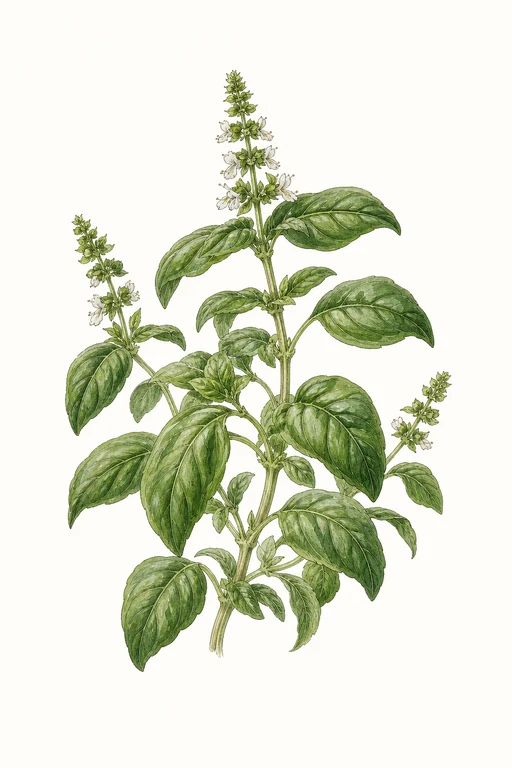
Provence
Lavender
🌱 365d to harvest
Shrub
Aromas first—Provence Lavender rises with a calm, silvery perfume that feels like sun-warmed linen. Its slender, upright flower s…
Crop Dates
| Milestone | Date |
|---|---|
| Start Indoors | Oct 23rd |
| Last Frost | Jan 1st |
| Transplant / Sow Outdoors | Dec 25th |
| Harvest Begins | Dec 25th |
| Harvest Ends | Dec 31st |
Crop Details
| Trait | Value |
|---|---|
| Days to Maturity | 365 |
| Sun Requirements | Full Sun |
| Growth Habit | Shrub |
| Support Needed | None |
| Planting Depth | Normal |
| Germination Temp (°F) | 65 |
| Min Soil Temp (°F) | 50 |
| Min Night Temp (°F) | 40 |
| Harden Off (days) | 10 |
Recommended Companions
Frequently Asked Questions
What pest or disease commonly affects Lavandula × intermedia (Provence), and how can I treat it?
Lavender (Lavandula × intermedia) is prone to root rot when soils stay wet, often first showing as wilting, gray-brown stems, and a rapid decline despite adequate sun. Improve drainage immediately (use a gritty mix and avoid standing water), cut back any dead stems, and water only after the soil surface dries; for heavy rot, remove affected plants to protect the rest of your lavender bed. Keep airflow high and don’t over-fertilize, since overly lush growth increases disease pressure.
How often should I water Provence lavender during the main growing phase?
During active growth, water deeply only when the top 1–2 in (2–5 cm) of soil has dried out, then let it dry again before the next watering. Provence lavender is drought-tolerant once established, so frequent “light” watering keeps roots too wet and raises root-rot risk. If you’re in containers, check more often—drying can be faster, but the goal is still the same: dry surface first, then soak, then dry.
How do I know when Provence lavender is ready to harvest?
Harvest when the flower spikes are mostly budded and just beginning to open—aim for about 30–60% of florets showing color, not fully open blooms. If you wait until all flowers are open, the stems lose fragrance sooner and the best quality for drying can drop. For best regrowth, cut the spikes with a small portion of green stem, leaving healthy foliage below (don’t cut into old woody parts).