SproutSmart
SproutSmart Intelligent Garden Sowing

Red Rubin

Basil
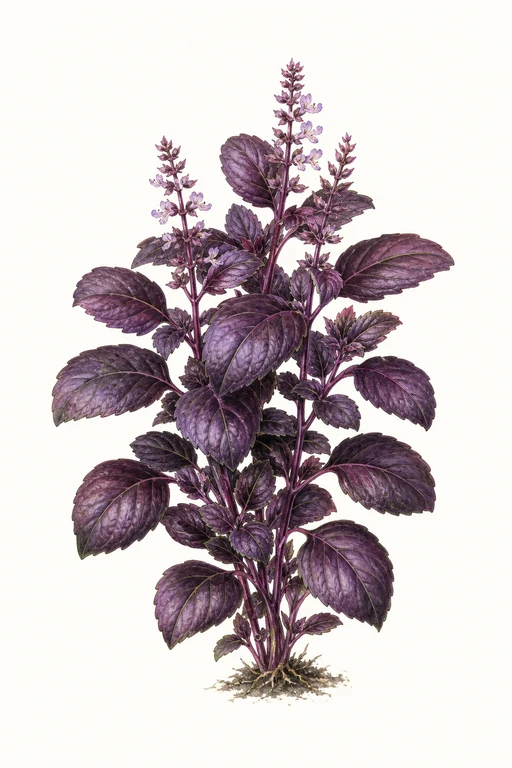
Botanical illustration of Red Rubin
🌱 60d to harvest Upright

Plunge your senses into Red Rubin’s richly hued foliage—deep wine-purple leaves edged with a cool, velvety sheen that perfumes th…

Planting Schedule

Add Red Rubin to your garden to build a schedule and get reminders.

Crop Dates

MilestoneDate
Start IndoorsNov 20th
Last FrostJan 1st
Transplant / Sow OutdoorsFeb 26th
Harvest BeginsApr 27th
Harvest EndsDec 31st

Crop Details

TraitValue
Days to Maturity60
Sun RequirementsFull SunFull sun
Growth HabitUpright
Support NeededNone
Planting DepthNormal
Germination Temp (°F)70
Min Soil Temp (°F)60
Min Night Temp (°F)50
Harden Off (days)10

Frequently Asked Questions


What pest or disease most commonly affects Ocimum basilicum (Red Rubin basil), and what should I do?
Basil is frequently hit by downy mildew (often first seen as yellow patches on leaf tops with gray-purple growth on the undersides) especially with cool, humid nights. Remove and discard affected leaves early, improve airflow, and water at the soil line (not over the foliage). If it keeps spreading, switch to a preventative copper-based spray labeled for basil and repeat according to the product directions.
How often should I water Ocimum basilicum during the main growing phase?
During active growth, keep the soil consistently moist but not soggy—aim for the top 1 inch to dry slightly between waterings. In full sun, this usually means watering every 2–3 days, but only adjust based on how quickly your soil dries. Use enough water to wet the root zone evenly, since basil roots suffer when they repeatedly dry out and then get waterlogged.
How can I tell when Red Rubin basil is ready to harvest?
Start harvesting when plants are about 6–8 inches tall and have at least 6 true leaves (typically around 50–60 days). Harvest by pinching or snipping just above a leaf pair to encourage branching, taking no more than about one-third of the plant at a time. If flowering begins, basil quality drops—harvest frequently and remove flower buds to keep leaves tender.
Botanical illustration of Red Rubin

Plunge your senses into Red Rubin’s richly hued foliage—deep wine-purple leaves edged with a cool, velvety sheen that perfumes the air with a bright, sweet basil aroma. The leaves are tender and finely textured, building a lush, upright habit that stays flavorful through the season. Grow Red Rubin for striking fresh garnishes and vibrant color in herb-forward sauces, pesto-style blends, and quick pickling infusions.

Sowing Tips

Transplant Conditions

Wait until soil reaches 60°F and nights stay above 50°F before moving outdoors. Harden off for 10 days first.

Expert Note

To keep the deepest purple color, grow it in cool weather and avoid letting seedlings get rootbound before transplanting.