SproutSmart
SproutSmart Intelligent Garden Sowing

Garden sage

Sage
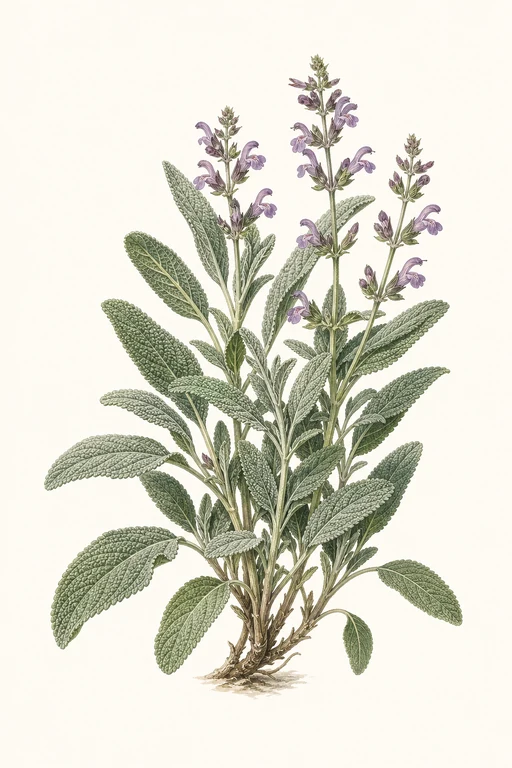
Botanical illustration of Garden sage
🌱 60d to harvest Upright

Aromatic and quietly luxurious, Garden sage fills the air with a cool, resinous fragrance and delivers velvety leaves that feel s…

Planting Schedule

Add Garden sage to your garden to build a schedule and get reminders.

Crop Dates

MilestoneDate
Start IndoorsNov 20th
Last FrostJan 1st
Transplant / Sow OutdoorsJan 15th
Harvest BeginsMar 16th
Harvest EndsDec 31st

Crop Details

TraitValue
Days to Maturity60
Sun RequirementsFull SunFull sun
Growth HabitUpright
Support NeededNone
Planting DepthNormal
Germination Temp (°F)65
Min Soil Temp (°F)60
Min Night Temp (°F)50
Harden Off (days)7

Frequently Asked Questions


What pest or disease most commonly affects Salvia officinalis (garden sage), and how can I treat it?
In garden sage, fungal leaf spots and powdery mildew are common when leaves stay wet and airflow is poor. Remove affected leaves, avoid overhead watering, and thin plants so they dry quickly after irrigation; if problems keep spreading, apply a labeled fungicide and repeat according to the label. For pests, watch for aphids and treat early with a strong water spray or insecticidal soap when you first see colonies on new growth.
How often should I water Salvia officinalis during the main growing phase (about the first 6–8 weeks)?
Water deeply when the top 1 inch of soil feels dry, then let it dry back again—garden sage prefers evenly moist but not soggy soil. During establishment, this usually means about once per week in average conditions, but less often in cool or rainy weather. Avoid frequent light watering that keeps the root zone wet, because sage is prone to root and crown issues in damp soil.
How do I know when garden sage (Salvia officinalis) is ready to harvest?
Harvest once plants have multiple sets of mature leaves, typically around 60 days from sowing/transplanting. For the best flavor, pick in the morning and take sprigs before flowers open; leaves are most aromatic when the plant is actively growing. If you see flowering buds, you can still harvest leaves, but frequent snipping before blooms will keep the plant producing tender growth.
Botanical illustration of Garden sage

Aromatic and quietly luxurious, Garden sage fills the air with a cool, resinous fragrance and delivers velvety leaves that feel substantial in the hand. The flavor is distinctly savory and herbaceous—deeply sage-like with a gentle, slightly peppery edge—ideal for building rich herbal character in everyday dishes. Grow it for its dependable perennial performance and its lush, upright habit that keeps producing fragrant foliage through the season.

Sowing Tips

Transplant Conditions

Wait until soil reaches 60°F and nights stay above 50°F before moving outdoors. Harden off for 7 days first.

Expert Note

For best establishment, start seeds indoors early but transplant only after nights are consistently warm, and keep plants on the drier side with excellent drainage.