SproutSmart
SproutSmart Intelligent Garden Sowing

Marathon

Broccoli
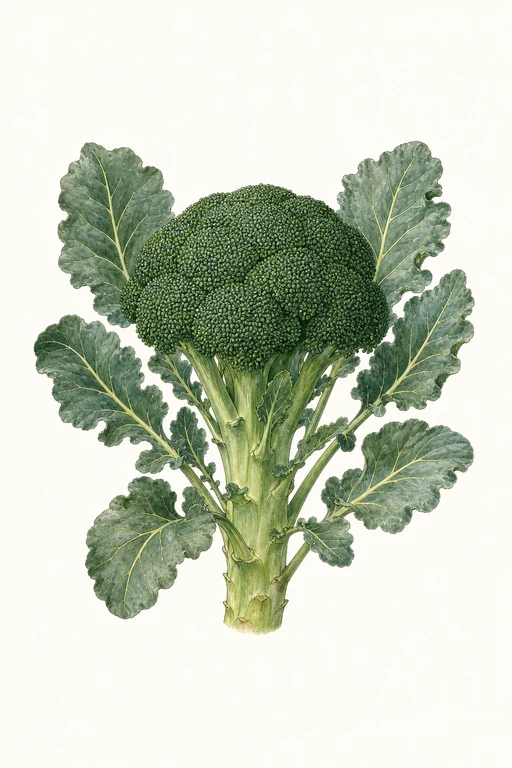
Botanical illustration of Marathon
🌱 75d to harvest Upright

Marathon brings a steady, garden-to-table rhythm with dense, uniform heads that open to reveal a rich, deep-green crown. The flor…

Planting Schedule

Add Marathon to your garden to build a schedule and get reminders.

Crop Dates

MilestoneDate
Start IndoorsDec 4th
Last FrostJan 1st
Transplant / Sow OutdoorsJan 1st
Harvest BeginsMar 17th
Harvest EndsDec 31st

Crop Details

TraitValue
Days to Maturity75
Sun RequirementsFull SunFull sun
Growth HabitUpright
Support NeededNone
Planting DepthNormal
Germination Temp (°F)45
Min Soil Temp (°F)40
Min Night Temp (°F)35
Harden Off (days)6

Frequently Asked Questions


Marathon (Brassica oleracea var. italica) — what should I watch for to prevent common pests like cabbage worms, and how do I stop them quickly?
Cabbage worms (cabbage loopers/diamondback larvae) chew irregular holes in broccoli-like florets and leaves. Check plants at least 2–3 times per week and remove any larvae you find by hand; then cover with insect netting or use Bacillus thuringiensis (Bt) as directed on the label when small larvae are present (best applied in the cool of early morning). Keep the bed weed-free and don’t let volunteer brassicas stay nearby, since they can harbor larvae.
How often should I water Marathon during the main growing phase, and what soil moisture level does it need?
During the 45–75 day growth stretch, keep soil consistently evenly moist but not waterlogged—aim for the top 1 inch to stay lightly damp. Water deeply about 2–3 times per week depending on heat and wind, increasing frequency if the soil dries out quickly or leaves start to wilt. Mulch helps prevent moisture swings that can cause loose, disappointing heads in Brassicaceae.
How do I tell when Marathon (Brassica oleracea var. italica) is ready to harvest?
Harvest when the main curd is firm, tightly domed, and the individual flower buds are still closed—don’t wait until it looks slightly open or begins yellowing. If heads start to loosen or show widening florets, harvest immediately to avoid early flowering. Cut the main head with a few inches of stem; Marathon often provides smaller side shoots after the main cut, so you can harvest subsequent tight side curds as they reach firmness.
Botanical illustration of Marathon

Marathon brings a steady, garden-to-table rhythm with dense, uniform heads that open to reveal a rich, deep-green crown. The florets are notably fine-textured and tender, holding their shape beautifully for roasting, steaming, and quick stir-fry, while also shining in fresh salads and bright sauces. At 75 days, it’s a reliable choice for home growers who want dependable harvests and a polished, market-ready look in every cutting.