SproutSmart
SproutSmart Intelligent Garden Sowing

Avalanche

Beet
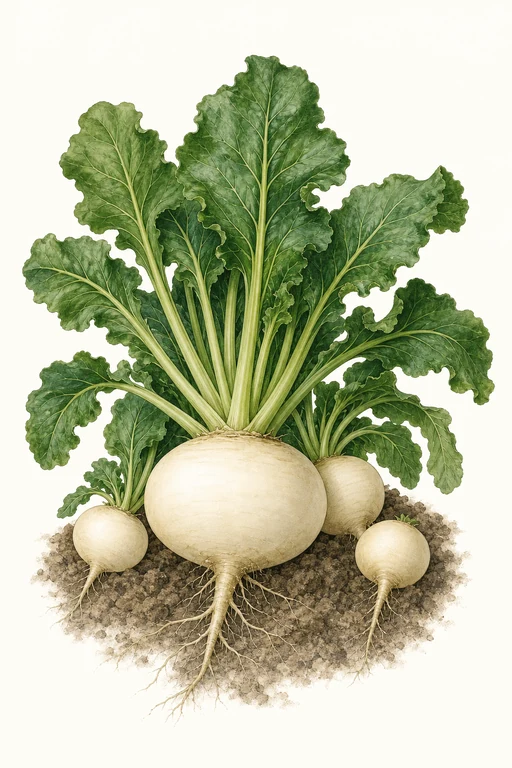
Botanical illustration of Avalanche
🌱 55d to harvest Rosette

Silky-white roots emerge with a luminous, pearly glow, their smooth skin and crisp snap promising a clean, sweet bite. “Avalanche…

Planting Schedule

Add Avalanche to your garden to build a schedule and get reminders.

Crop Dates

MilestoneDate
Start IndoorsDirect Sow
Last FrostJan 1st
Transplant / Sow OutdoorsJan 1st
Harvest BeginsFeb 25th
Harvest EndsDec 31st

Crop Details

TraitValue
Days to Maturity55
Sun RequirementsFull SunFull sun
Growth HabitRosette
Support NeededNone
Planting DepthNormal
Germination Temp (°F)50
Min Soil Temp (°F)40
Min Night Temp (°F)28
Harden Off (days)Not Required

Frequently Asked Questions


What pest or disease commonly affects Beta vulgaris subsp. vulgaris (beets), and what should I do?
A common issue is Cercospora leaf spot, which shows as small brown to gray spots with yellow halos on beet leaves. Remove and destroy heavily spotted foliage, improve airflow by thinning seedlings, and avoid wetting leaves when you water. If the problem spreads, use a labeled fungicide for leaf spot on edible beet greens and repeat as directed.
How often should I water Beta vulgaris subsp. vulgaris during the main growing phase?
During active leaf and root growth, keep soil evenly moist—about 1 inch (2.5 cm) of water per week, split into 2–3 deeper waterings if it’s hot or dry. Let the top 1 inch of soil dry slightly between waterings, but don’t allow the root zone to fully dry out, or roots can become woody and cracked. Mulch helps maintain steady moisture for consistent bulking over the last few weeks before harvest.
How can I tell when Beta vulgaris subsp. vulgaris is ready to harvest?
Harvest when roots reach the size you want, typically around 50–60 days after sowing; many home gardeners start picking at about 1.5–2.5 inches (4–6 cm) diameter. You’ll also see the roots lifting slightly at the soil surface and the greens looking vigorous. For best tenderness, pull a test row and harvest the rest promptly at similar size.
Botanical illustration of Avalanche

Silky-white roots emerge with a luminous, pearly glow, their smooth skin and crisp snap promising a clean, sweet bite. “Avalanche” beets develop a tidy, round-to-slightly-flattened shape that stays tender through the 55-day season, with a pale interior that cooks up evenly and holds its brightness for vibrant color in salads, roasts, and pickles. Grow them for fresh slicing, quick roasting, or for strikingly pale pickled rounds that look as refined as they taste.

Sowing Tips

Transplant Conditions

Wait until soil reaches 40°F and nights stay above 28°F before moving outdoors.

Expert Note

For the sweetest white beets, keep soil evenly moist and avoid letting plants dry out during root bulking.