
Buckskin
Bean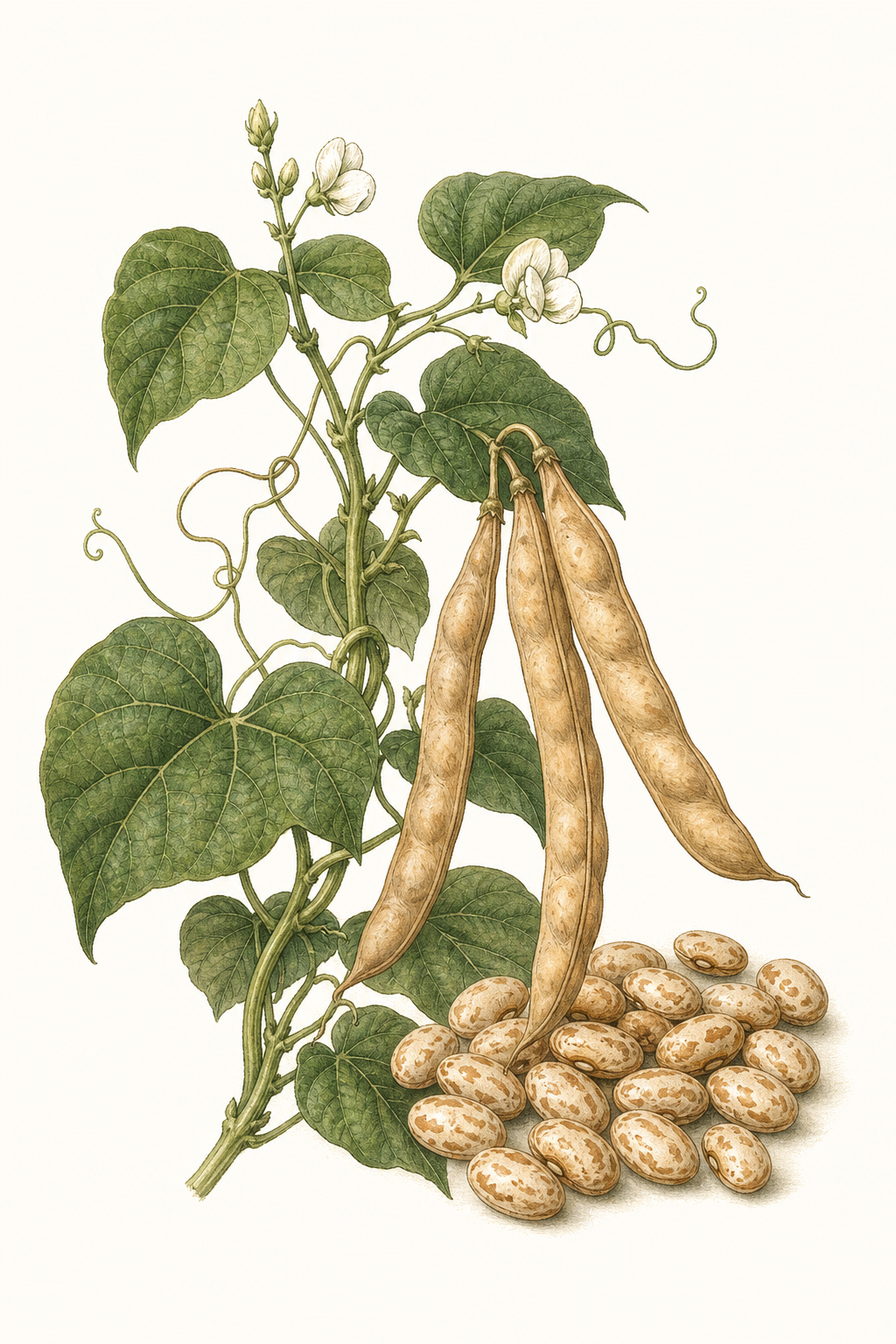
Step into the warm, sunlit charm of Buckskin pinto beans—each pod holds a promise of creamy, buckskin-tan seeds that cook up with…
Crop Dates
| Milestone | Date |
|---|---|
| Start Indoors | Direct Sow |
| Last Frost | Jan 1st |
| Transplant / Sow Outdoors | Jan 1st |
| Harvest Begins | Apr 26th |
| Harvest Ends | Dec 31st |
Crop Details
| Trait | Value |
|---|---|
| Days to Maturity | 115 |
| Sun Requirements | Full Sun |
| Growth Habit | Bush |
| Support Needed | None |
| Planting Depth | Normal |
| Germination Temp (°F) | 60 |
| Min Soil Temp (°F) | 55 |
| Min Night Temp (°F) | 50 |
| Harden Off (days) | Not Required |
Recommended Companions
Frequently Asked Questions
What pest or disease is most common on common beans (Phaseolus vulgaris) like Buckskin, and how can I stop it?
How often should I water Buckskin during the main growing phase to keep it producing?
How do I tell when Buckskin beans (Phaseolus vulgaris) are ready to harvest?
Step into the warm, sunlit charm of Buckskin pinto beans—each pod holds a promise of creamy, buckskin-tan seeds that cook up with a mellow, earthy depth and a silky, tender bite. The texture is satisfyingly creamy when simmered, yet stays pleasantly intact for hearty potfuls and smooth, spoonable mashes. Grow Buckskin for its dependable, home-garden harvest and its classic pinto character that shines in bean-forward favorites and velvety sauces.
Sowing Tips

Transplant Conditions
Wait until soil reaches 55°F and nights stay above 50°F before moving outdoors.
Expert Note

Plant pinto beans directly once soil is warm—cool soil slows germination and raises rot risk, but once up they’re dependable for dry harvest.