SproutSmart
SproutSmart Intelligent Garden Sowing

Snowball

Radish
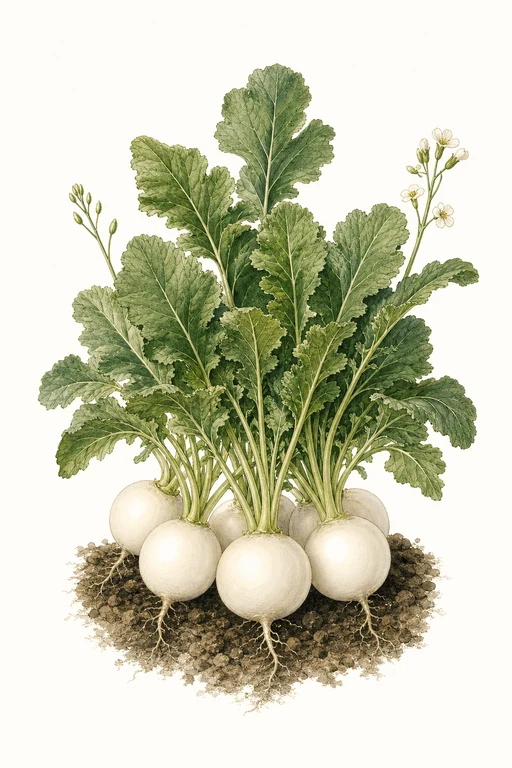
Botanical illustration of Snowball
🌱 30d to harvest Taproot

Crisp as fresh-cut snow, Snowball radishes form perfectly round, snow-white roots with a clean, bright snap and a mild, sweet-lea…

Planting Schedule

Add Snowball to your garden to build a schedule and get reminders.

Crop Dates

MilestoneDate
Start IndoorsDirect Sow
Last FrostJan 1st
Transplant / Sow OutdoorsJan 1st
Harvest BeginsJan 31st
Harvest EndsDec 31st

Crop Details

TraitValue
Days to Maturity30
Sun RequirementsFull SunFull sun
Growth HabitTaproot
Support NeededNone
Planting DepthNormal
Germination Temp (°F)50
Min Soil Temp (°F)40
Min Night Temp (°F)28
Harden Off (days)Not Required

Frequently Asked Questions


What pests or diseases commonly affect Raphanus sativus (snowball radish), and how can I treat them?
Snowball radish is especially prone to flea beetle damage, which shows up as small shot-holes in leaves and can stunt young plants. Use a fine mesh row cover immediately after sowing, and remove covers to water and harvest before re-covering again to prevent further feeding. If you see clubroot symptoms (swollen, misshapen roots) and plants yellowing, discard badly affected plants and avoid sowing radish in the same soil for several seasons, since clubroot persists in soil.
How often should I water snowball radish during peak growth to keep roots crisp?
Water so the top 2–3 inches of soil stay consistently moist during root bulking; for most home gardens that’s about 1 inch of water per week total, adjusted for rainfall and heat. Inconsistent watering can lead to woody roots or splitting, so avoid letting the soil dry out between waterings. Water deeply after the top inches dry slightly, then keep moisture steady through the 3–4 week growth period.
How do I tell when snowball radish (Raphanus sativus) is ready to harvest?
Harvest when the roots reach the variety’s typical “snowball” size—commonly about 1–2 inches in diameter—and the leaves still look fresh and vigorous. Check one or two roots by gently pulling soil away at the crown; radishes that sit too long can turn pithy or develop a stronger bite. If you’ve sown in cool conditions, start checking around day 25–30, then harvest promptly once the bulbs are the right size.
Botanical illustration of Snowball

Crisp as fresh-cut snow, Snowball radishes form perfectly round, snow-white roots with a clean, bright snap and a mild, sweet-leaning bite that stays tender at just 30 days. Their smooth skin and fine, juicy texture make them a delight for quick garden harvests—ideal for fresh salads and elegant garnishes, or for turning into vivid pickling slices and zesty radish spreads.

Sowing Tips

Transplant Conditions

Wait until soil reaches 40°F and nights stay above 28°F before moving outdoors.

Expert Note

For the mildest flavor and best crunch, sow radish every 2 weeks in cool weather and keep soil evenly moist to prevent woody, fast-bolting roots.