SproutSmart
SproutSmart Intelligent Garden Sowing

Spring

Pea
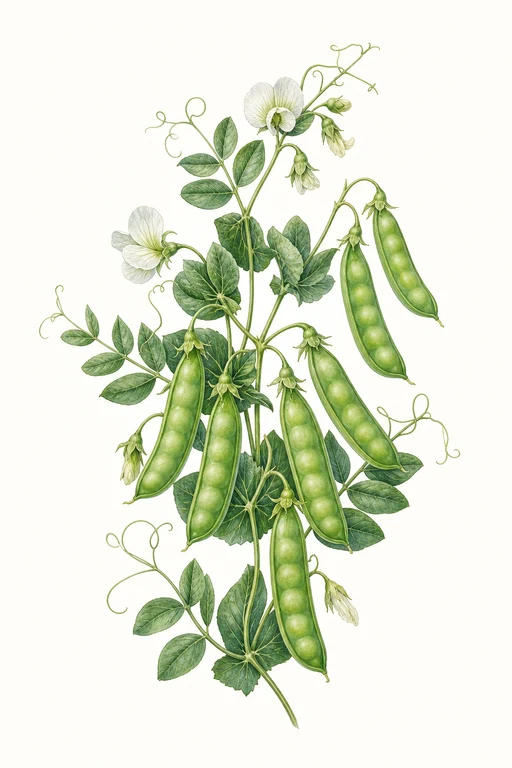
Botanical illustration of Spring
🌱 60d to harvest Upright

Sweet, garden-fresh peas burst with a bright, spring-green flavor and a tender, snap-worthy bite that feels almost luminous in th…

Planting Schedule

Add Spring to your garden to build a schedule and get reminders.

Crop Dates

MilestoneDate
Start IndoorsDirect Sow
Last FrostJan 1st
Transplant / Sow OutdoorsJan 1st
Harvest BeginsMar 2nd
Harvest EndsDec 31st

Crop Details

TraitValue
Days to Maturity60
Sun RequirementsFull SunFull sun
Growth HabitUpright
Support NeededTrellis
Planting DepthNormal
Germination Temp (°F)45
Min Soil Temp (°F)45
Min Night Temp (°F)32
Harden Off (days)Not Required

Frequently Asked Questions


What pest or disease commonly affects Pisum sativum (garden pea) and how can I manage it?
Watch for powdery mildew and pea aphids; they’re common on pea foliage, especially when plants are crowded. For mildew, improve airflow by spacing plants and removing badly infected leaves, then spray with sulfur or potassium bicarbonate as labeled. For aphids, knock them off with a strong water jet and apply insecticidal soap if numbers are increasing—avoid heavy nitrogen feeds that make aphids more successful.
How often should I water Pisum sativum during its main growing phase?
During flowering and pod fill, keep soil consistently moist but not waterlogged—aim for about 1 inch (2.5 cm) of water per week, adjusting for heat and rainfall. Water at the base in the morning so foliage dries quickly, and use a finger test: the top 1 inch (2–2.5 cm) should stay moist as pods develop. In dry spells, reduce stress by watering deeply 2–3 times per week rather than small, frequent splashes.
How do I know when my Pisum sativum is ready to harvest?
Harvest most pea pods when they are fully formed but still tender: the peas inside should be plump and the pods should snap easily, usually about 60 days from sowing depending on conditions. Pick every 1–2 days once plants start producing, because leaving mature pods on the plant slows new pod formation. If pods look dull and the peas bulge hard, they’re past peak sweetness for fresh eating.
Botanical illustration of Spring

Sweet, garden-fresh peas burst with a bright, spring-green flavor and a tender, snap-worthy bite that feels almost luminous in the pod. “Spring” is a shelling pea bred for dependable, home-garden yield—pods fill out cleanly and hold their sweetness through cool-season growing. Grow it for generous bowls of shelled peas to showcase their delicate texture in simple, vibrant preparations and classic seasonal favorites.

Sowing Tips

Transplant Conditions

Wait until soil reaches 45°F and nights stay above 32°F before moving outdoors.

Expert Note

Sow shelling peas as soon as soil can be worked and keep them evenly moist for uniform pods—avoid transplanting to prevent root disturbance.