
Buckskin
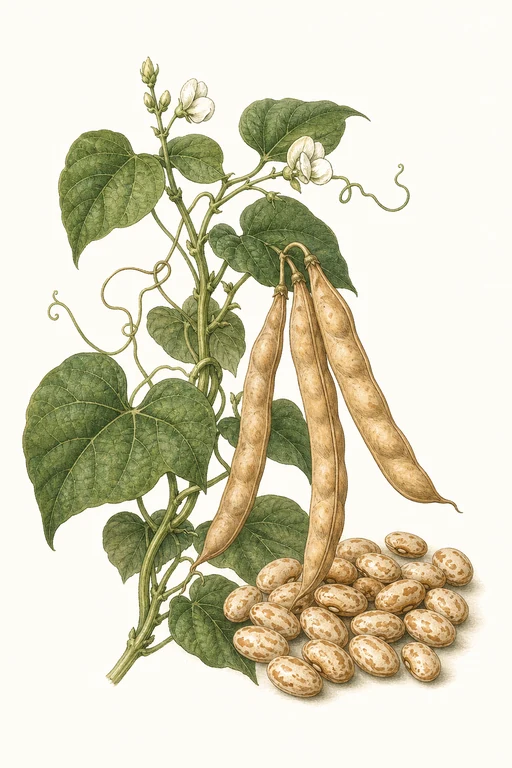
Step into the warm, sunlit charm of Buckskin pinto beans—each pod holds a promise of creamy, buckskin-tan seeds that cook up with a mellow, earthy depth and a silky, tender bite. The texture is satisfyingly creamy when simmered, yet stays pleasantly intact for hearty potfuls and smooth, spoonable mashes. Grow Buckskin for its dependable, home-garden harvest and its classic pinto character that shines in bean-forward favorites and velvety sauces.
Crop Dates
| Milestone | Date |
|---|---|
| Start Indoors | — |
| Climate | Frost-Free Climate |
| Transplant / Sow Outdoors | Oct 1st |
| Harvest Begins | Jan 24th |
| Harvest Ends | Feb 28th |
Crop Details
| Trait | Value |
|---|---|
| Days to Maturity | 115 |
| Sun Requirements | Full Sun |
| Growth Habit | Bush |
| Support Needed | None |
| Planting Depth | Normal |
| Germination Temp (°F) | 60 |
| Min Soil Temp (°F) | 55 |
| Min Night Temp (°F) | 50 |
| Harden Off (days) | Not Required |
Frequently Asked Questions
What pest or disease is most common on common beans (Phaseolus vulgaris) like Buckskin, and how can I stop it?
How often should I water Buckskin during the main growing phase to keep it producing?
How do I tell when Buckskin beans (Phaseolus vulgaris) are ready to harvest?
Step into the warm, sunlit charm of Buckskin pinto beans—each pod holds a promise of creamy, buckskin-tan seeds that cook up with a mellow, earthy depth and a silky, tender bite. The texture is satisfyingly creamy when simmered, yet stays pleasantly intact for hearty potfuls and smooth, spoonable mashes. Grow Buckskin for its dependable, home-garden harvest and its classic pinto character that shines in bean-forward favorites and velvety sauces.
Sowing Tips

Soil Temperature
Direct sow or transplant when soil at planting depth holds 55°F for reliable germination and early growth.
Expert Note

Plant pinto beans directly once soil is warm—cool soil slows germination and raises rot risk, but once up they’re dependable for dry harvest.
