
Lamb's Tongue
Spinach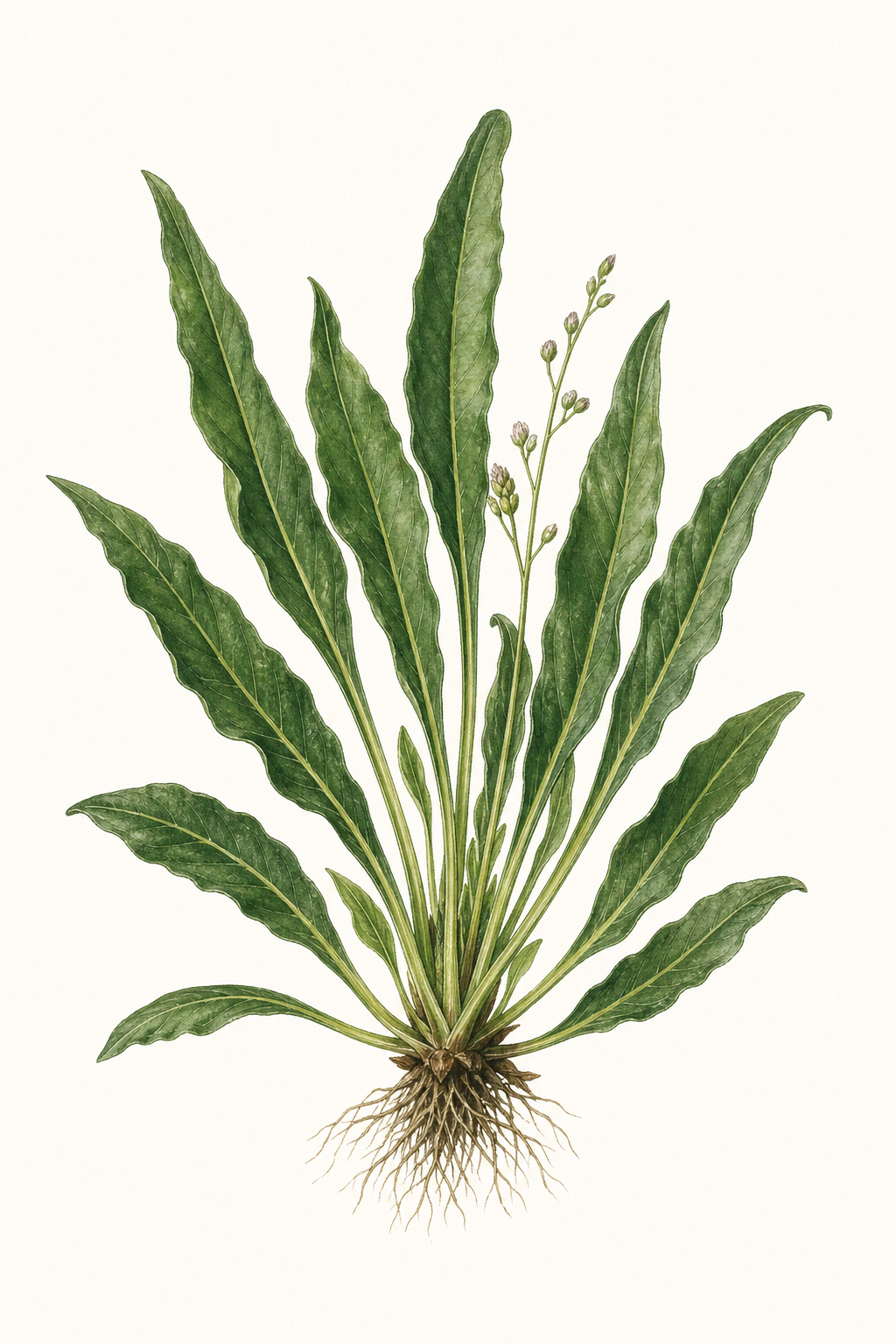
🌱 40d to harvest
Rosette
Tender, lamb’s-tongue leaves unfurl with a velvety, ocean-green sheen and a pleasantly mild, sweet bite that feels refined from t…
Crop Dates
| Milestone | Date |
|---|---|
| Start Indoors | Direct Sow |
| Last Frost | Jan 1st |
| Transplant / Sow Outdoors | Jan 1st |
| Harvest Begins | Feb 10th |
| Harvest Ends | — |
Crop Details
| Trait | Value |
|---|---|
| Days to Maturity | 40 |
| Sun Requirements | Part Sun |
| Growth Habit | Rosette |
| Support Needed | None |
| Planting Depth | Surface |
| Germination Temp (°F) | 60 |
| Min Soil Temp (°F) | 40 |
| Min Night Temp (°F) | 28 |
| Harden Off (days) | Not Required |
Recommended Companions
Frequently Asked Questions
What pests or diseases commonly affect Spinacia oleracea (lamb’s tongue), and how do I control them?
Spinach commonly suffers from downy mildew (often showing yellow patches on leaves with a gray-purple growth underneath) and aphids, especially in warm, dry spells. Improve airflow and avoid overhead watering; remove and destroy heavily infected leaves, then use a copper-based fungicide early at the first signs of downy mildew. For aphids, blast them off with a strong water jet, and if needed apply insecticidal soap directly on the leaf undersides.
How often should I water Spinacia oleracea during the main growing phase (about the first 30–40 days)?
Keep the soil consistently moist but not waterlogged—aim for lightly damp soil 1–2 inches down, especially from emergence through leaf expansion. In typical home conditions this often means watering about 1–2 times per week, but increase frequency during warmer part-sun days so leaves don’t wilt or taste bitter from drought stress. Mulch lightly to reduce moisture swings, since spinach quality drops quickly when soil alternates between dry and wet.
How can I tell when Spinacia oleracea (lamb’s tongue) is ready to harvest?
Harvest when leaves are tender and the plants have a good leaf size but before they bolt; for many plantings this is around 40 days. Pick outer leaves first, leaving the crown to continue producing, and harvest in the morning when leaves are crisp and less prone to damage. If you see flowering stems starting to elongate, harvest immediately for best flavor.
Tender, lamb’s-tongue leaves unfurl with a velvety, ocean-green sheen and a pleasantly mild, sweet bite that feels refined from the first harvest. Lamb’s Tongue forms an upright rosette of narrow, spoon-shaped foliage with a supple, not-too-crisp texture—ideal for steaming, sautéing, and folding into sauces, or for fresh use when you want a gentle, spinach-forward flavor.
Sowing Tips

Transplant Conditions
Wait until soil reaches 40°F and nights stay above 28°F before moving outdoors.
Expert Note

Sow for spring or fall and keep the soil consistently moist—spinach flavor improves as temperatures cool.