
Red Deer Tongue
Lettuce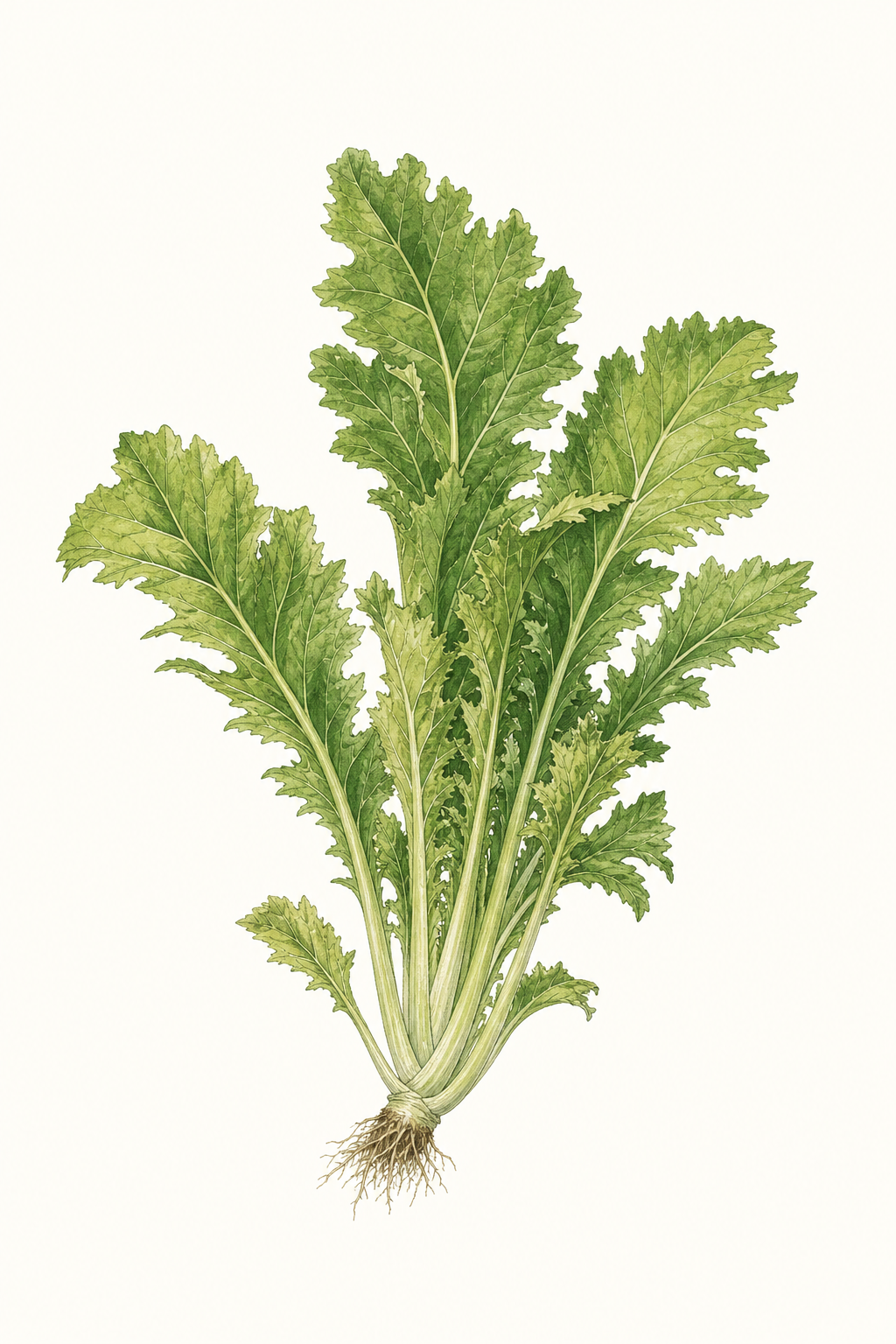
Silken, tender leaves unfurl in a dramatic ribbon of color—deep green with a wine-red blush at the ribs—offering a sweet, crisp b…
Crop Dates
| Milestone | Date |
|---|---|
| Start Indoors | Dec 4th |
| Last Frost | Jan 1st |
| Transplant / Sow Outdoors | Jan 1st |
| Harvest Begins | Feb 15th |
| Harvest Ends | — |
Crop Details
| Trait | Value |
|---|---|
| Days to Maturity | 45 |
| Sun Requirements | Part Sun |
| Growth Habit | Rosette |
| Support Needed | None |
| Planting Depth | Normal |
| Germination Temp (°F) | 70 |
| Min Soil Temp (°F) | 40 |
| Min Night Temp (°F) | 35 |
| Harden Off (days) | 6 |
Recommended Companions
Frequently Asked Questions
What pest or disease most commonly affects Lactuca sativa (Deer Tongue) and how can I manage it?
How often should I water Deer Tongue lettuce during active growth, and what soil moisture level should I maintain?
How do I tell when Red Deer Tongue lettuce is ready to harvest?
Silken, tender leaves unfurl in a dramatic ribbon of color—deep green with a wine-red blush at the ribs—offering a sweet, crisp bite with a gentle, fresh lettuce savor. “Red Deer Tongue” forms an airy loose rosette that stays pleasantly supple at 45 days, with a refined, tongue-like leaf shape that feels delicate yet resilient in the garden. Ideal for abundant harvests of fresh salads and vibrant greens, it shines wherever you want color-forward leaves—tossed, dressed, or layered for a striking, garden-to-bowl presentation.
Sowing Tips

Transplant Conditions
Wait until soil reaches 40°F and nights stay above 35°F before moving outdoors. Harden off for 6 days first.
Expert Note

For best color and sweetness, keep it cool (avoid heat and long day lengths) and harvest outer leaves early for continuous regrowth.