SproutSmart
SproutSmart Intelligent Garden Sowing

Scarlet Fall

Radish
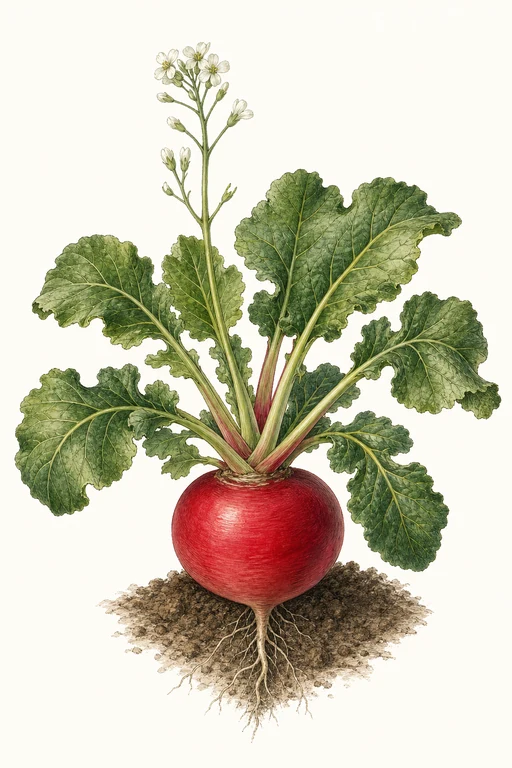
Botanical illustration of Scarlet Fall
🌱 65d to harvest Taproot

Sink your senses into Scarlet Fall’s dramatic, watermelon-radish beauty—crisp flesh that bursts with a vivid, jewel-toned contras…

Planting Schedule

Add Scarlet Fall to your garden to build a schedule and get reminders.

Crop Dates

MilestoneDate
Start IndoorsDirect Sow
Last FrostJan 1st
Transplant / Sow OutdoorsJan 1st
Harvest BeginsMar 7th
Harvest Ends

Crop Details

TraitValue
Days to Maturity65
Sun RequirementsFull SunFull sun
Growth HabitTaproot
Support NeededNone
Planting DepthNormal
Germination Temp (°F)55
Min Soil Temp (°F)40
Min Night Temp (°F)28
Harden Off (days)Not Required

Frequently Asked Questions


What’s the most common disease or pest on Raphanus sativus (watermelon radish type), and how do I fix it fast?
Watch for flea beetles on radish leaves—they cause small shot-hole damage and can stunt young plants in warm weather. Use row cover over seedlings until flowering, and then apply insecticidal soap directly on the foliage at first sign of damage. If you see leaf spots or rotting roots, thin to improve airflow and water at the soil line to keep leaves dry.
How often should I water Raphanus sativus during the main growing phase?
Keep the top 2–3 inches of soil consistently evenly moist from germination through bulbing so the roots form quickly and don’t get woody or pithy. In typical home gardens, this usually means watering about 1 inch per week total, split into 2–3 waterings during hot or dry spells. Avoid letting the soil swing between very dry and waterlogged, which increases cracking and poor texture.
How can I tell when my Raphanus sativus is ready to harvest (around 65 days)?
Harvest when the root shoulders are well-developed and have reached the size listed for your packet, typically around 60–65 days from sowing. Check early by gently pulling one plant—roots should feel firm and smooth, not elongated and tough. Don’t wait too long past maturity, or the roots can become fibrous and strong-flavored.
Botanical illustration of Scarlet Fall

Sink your senses into Scarlet Fall’s dramatic, watermelon-radish beauty—crisp flesh that bursts with a vivid, jewel-toned contrast and a clean, peppery snap. The roots mature to an impressive size with a smooth, glossy exterior in rich scarlet, transitioning to a softly blushed interior that stays pleasantly firm and juicy. Grow it for standout fresh slices, bold roasts, and striking garnishes—its color makes every platter feel like a seasonal celebration.

Sowing Tips

Transplant Conditions

Wait until soil reaches 40°F and nights stay above 28°F before moving outdoors.

Expert Note

For fall success, keep soil evenly moist and harvest before roots become woody as days length shortens.