SproutSmart
SproutSmart Intelligent Garden Sowing

Tricolor

Sage

Planting Schedule

Add Tricolor to your garden to build a schedule and get reminders.
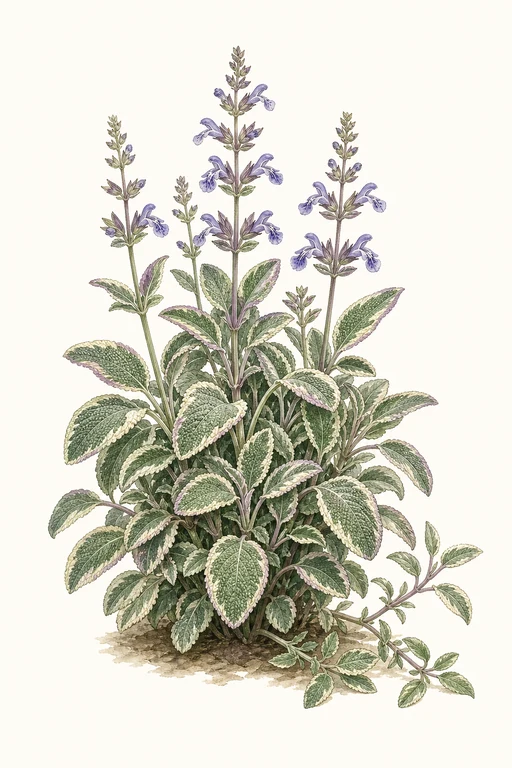
Botanical illustration of Tricolor
75d to harvest

Fragrant, soft-gray leaves are edged in creamy white and brushed through with warm lavender tones, creating a living tricolor that feels as luminous as it is aromatic. Tricolor sage forms an upright, tidy mound with a velvety texture and a distinctive, herbaceous flavor profile that shines in fragrant roasts, savory sauces, and infused vinegars—also lovely for fresh snipping and drying. Grow it for a garden centerpiece that rewards you with bold color and a steady stream of bloom-ready stems over the season.

Crop Dates

Growing note: In frost-free Zone 13a, grow this cool-season crop during the cooler dry season (October–February).
MilestoneDate
Start Indoors
ClimateFrost-Free Climate
Transplant / Sow OutdoorsOct 1st
Harvest BeginsDec 15th
Harvest EndsFeb 28th

Crop Details

TraitValue
Days to Maturity75
Sun RequirementsFull SunFull sun
Growth HabitUpright
Support NeededNone
Planting DepthSurface
Germination Temp (°F)70
Min Soil Temp (°F)50
Min Night Temp (°F)40
Harden Off (days)7

Frequently Asked Questions


How often should I water tricolor sage during the main growing period (around the first 8–10 weeks)?
Water deeply after the top 1 inch of soil dries out; aim for moist-but-not-soggy soil rather than frequent light watering. Once established, Salvia officinalis tolerates drier conditions, so reduce watering further—especially in cool or overcast weather. Overwatering is a leading cause of root issues and weak growth in this herb.
How do I tell when my tricolor sage is ready to harvest (Salvia officinalis), and how should I pick?
You can start light harvesting once the plant has formed a solid framework of stems and leaves, typically around 70–80 days after sowing. Harvest in the morning before the heat, snipping stems just above a leaf pair to encourage bushy regrowth. Avoid stripping more than about one-third of the foliage at a time so the plant can keep producing.
Botanical illustration of Tricolor

Fragrant, soft-gray leaves are edged in creamy white and brushed through with warm lavender tones, creating a living tricolor that feels as luminous as it is aromatic. Tricolor sage forms an upright, tidy mound with a velvety texture and a distinctive, herbaceous flavor profile that shines in fragrant roasts, savory sauces, and infused vinegars—also lovely for fresh snipping and drying. Grow it for a garden centerpiece that rewards you with bold color and a steady stream of bloom-ready stems over the season.