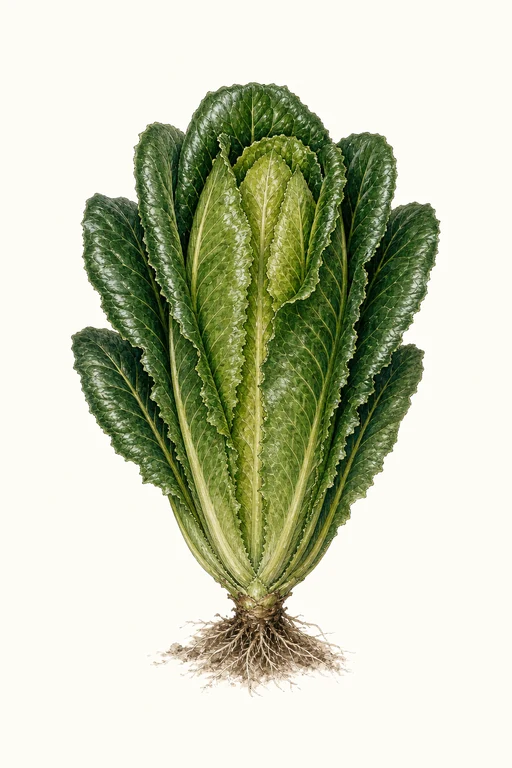
Winter Density
Lettuce
🌱 55d to harvest
Rosette
Winter Density delivers a crisp, cool-sweet crunch with a dense, upright head that holds its shape through chilly weather. Its le…
Crop Dates
| Milestone | Date |
|---|---|
| Start Indoors | Dec 4th |
| Last Frost | Jan 1st |
| Transplant / Sow Outdoors | Jan 1st |
| Harvest Begins | Feb 25th |
| Harvest Ends | — |
Crop Details
| Trait | Value |
|---|---|
| Days to Maturity | 55 |
| Sun Requirements | Part Sun |
| Growth Habit | Rosette |
| Support Needed | None |
| Planting Depth | Normal |
| Germination Temp (°F) | 45 |
| Min Soil Temp (°F) | 40 |
| Min Night Temp (°F) | 30 |
| Harden Off (days) | 6 |
Recommended Companions
Frequently Asked Questions
What pest or disease most commonly affects Lactuca sativa in winter, and what should I do?
Winter lettuces (Lactuca sativa) often suffer from downy mildew (often worsens with cool, wet weather) and slugs/snails when nights stay damp. Improve airflow by spacing plants and removing lower leaves that touch soil, then water early in the day so foliage dries before night. If mildew shows, avoid overhead watering and remove affected leaves; for severe outbreaks, use a labeled fungicide that lists downy mildew on lettuce and follow the label’s intervals.
How often should I water Lactuca sativa during the main growing period in winter?
Keep lettuce evenly moist through the 55-day grow-out—aim for soil that stays consistently damp but not soggy. In winter, this usually means watering about once or twice per week, with the frequency adjusted to rainfall and how quickly the bed dries; check by pressing a finger 1–2 inches into the soil. If it feels dry at that depth, water thoroughly until the top 6 inches are moist, then let the surface lightly dry before the next watering.
How can I tell when Winter Density (Lactuca sativa) is ready to harvest?
Harvest when heads/rosettes reach full size for your planting and the leaves feel firm instead of floppy, typically around 55 days from sowing. Look for crisp, thickened leaf texture at the base and a tight, well-formed crown; avoid waiting until the center starts stretching or flowering. For peak quality, harvest in the morning and cool immediately, especially if temperatures rise above the cool-season range.